

Browse sustainable RFID label options designed for businesses looking to reduce environmental impact while maintaining reliable product identification. This collection includes lower-impact RFID labels suited to packaging, retail, logistics, and other traceability workflows. Compare products by material type, durability, and application requirements to find the right fit for your operation. If you want to understand where sustainable RFID labels work best and how they support broader environmental goals, visit our sustainable RFID solutions page for more guidance.


Sustainable Label TRC836 | UHF | 39x19mm
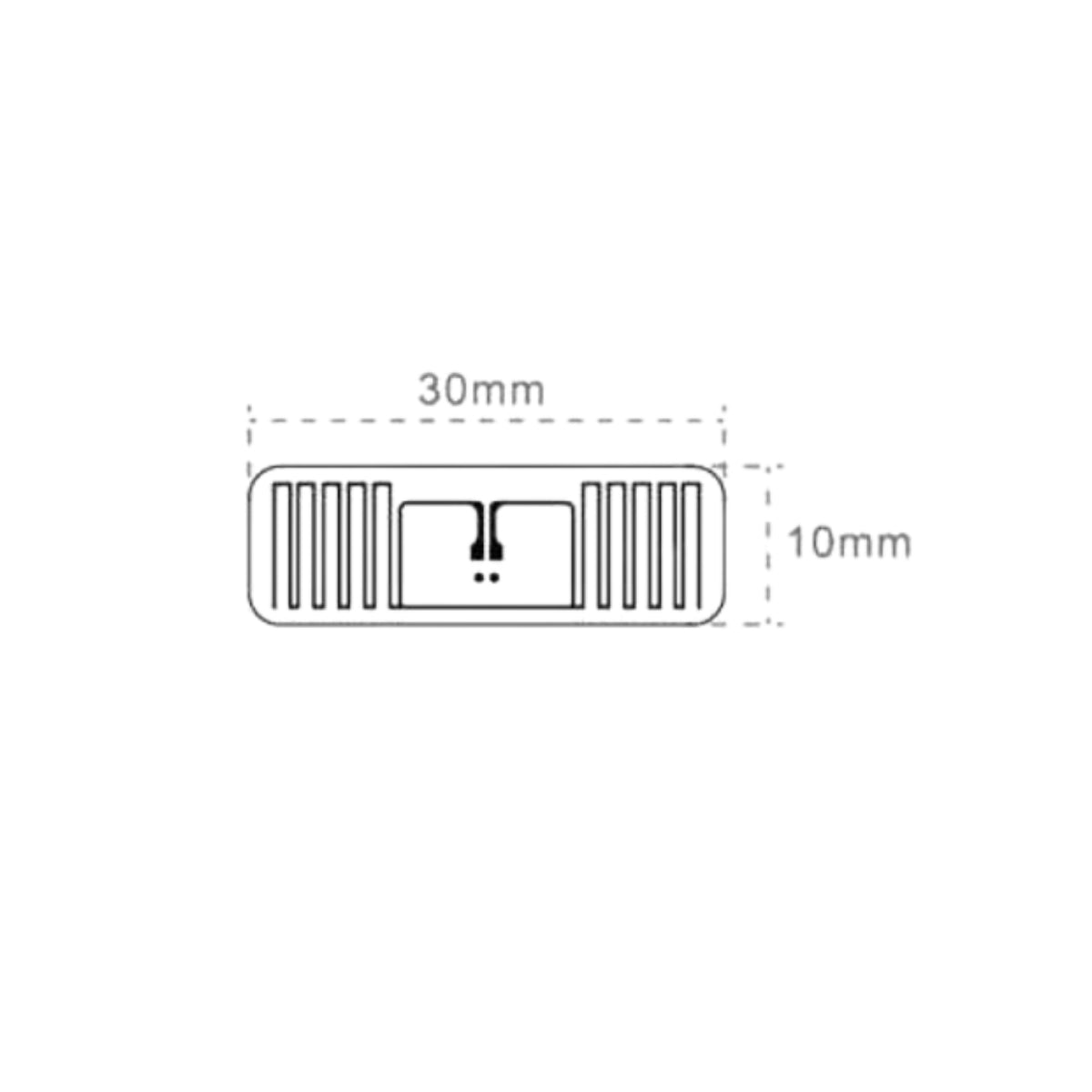
Sustainable Label TRC840 | UHF | 30x10mm
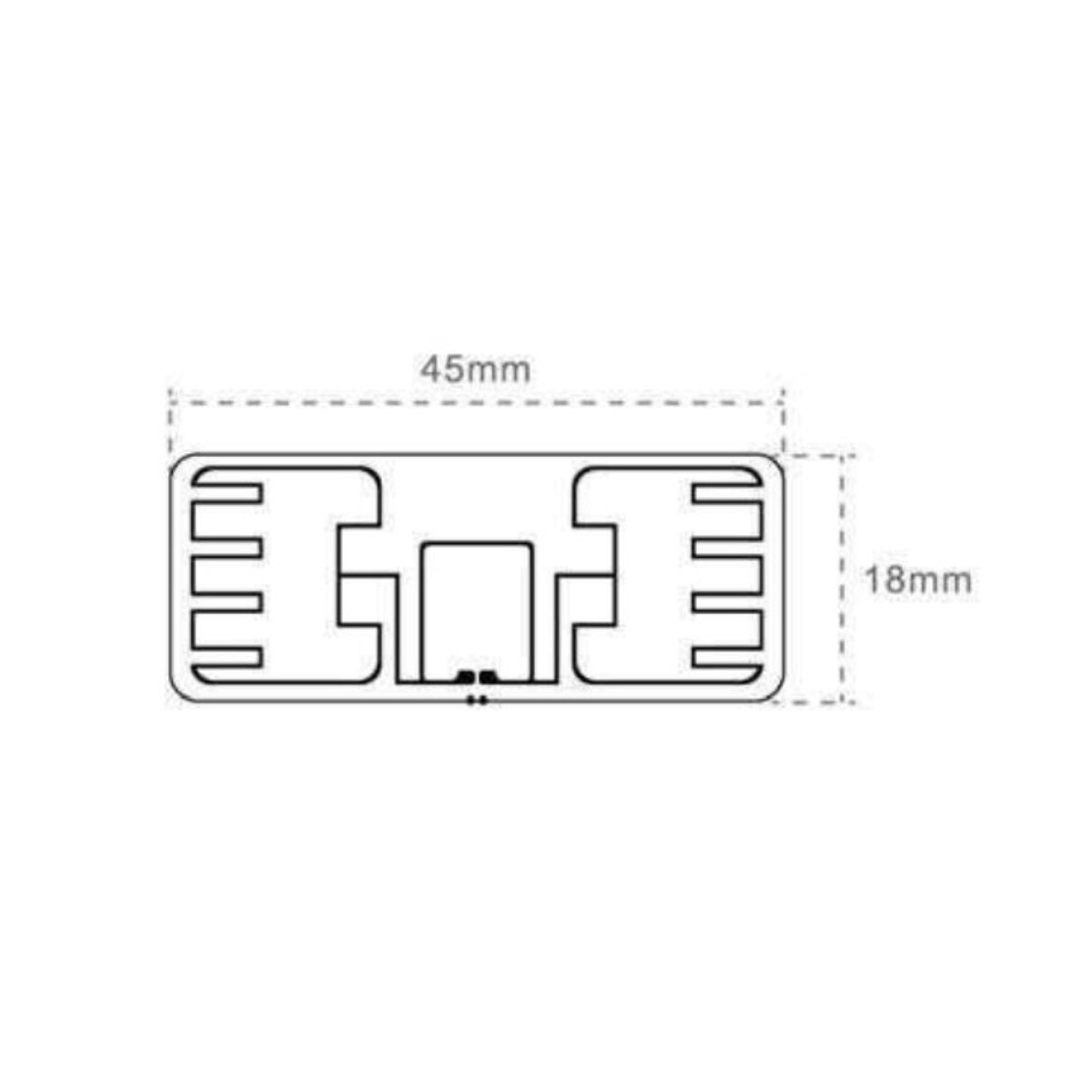
Sustainable Label TRC842 | UHF | 45x18mm
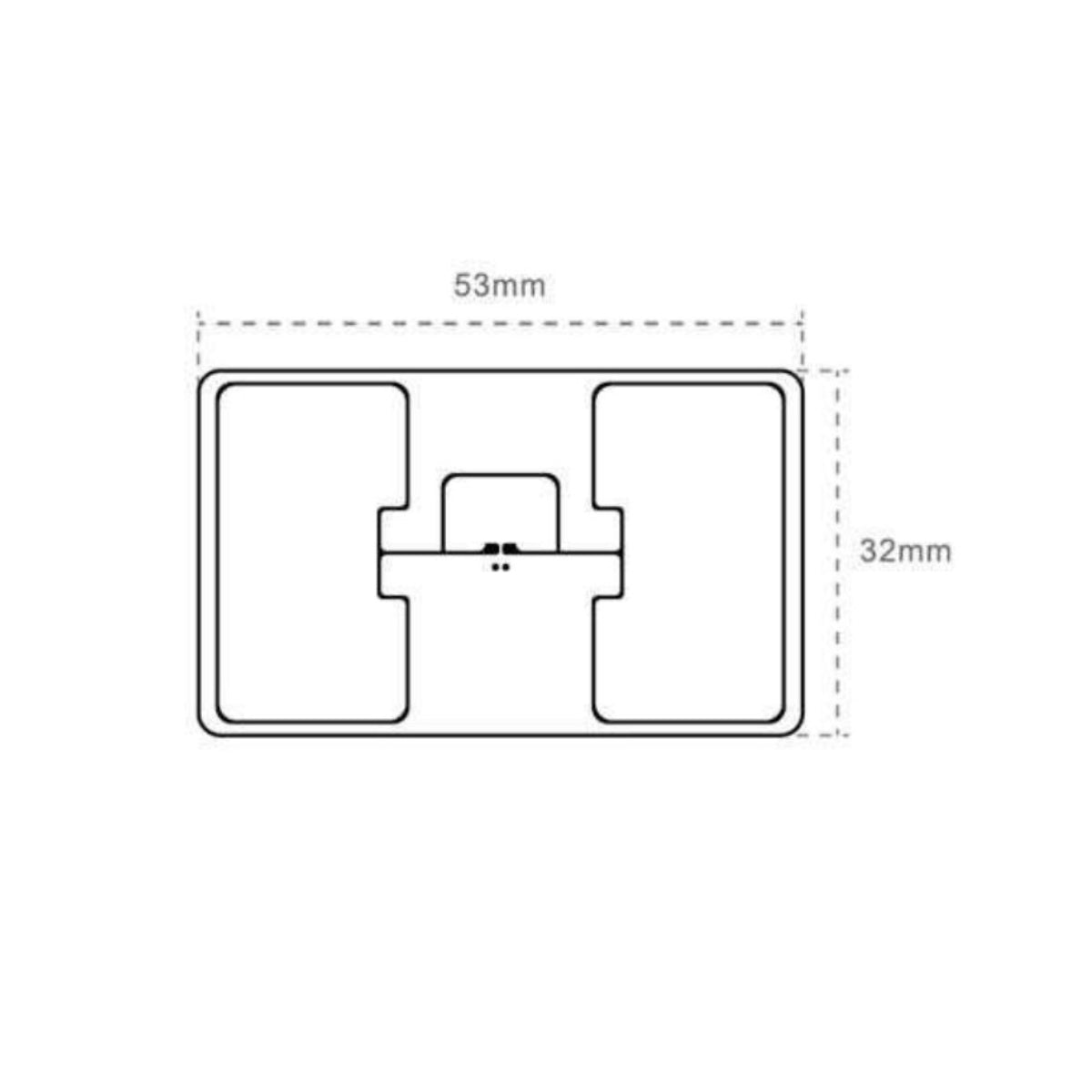
Sustainable Label TRC850 | UHF | 53x32mm
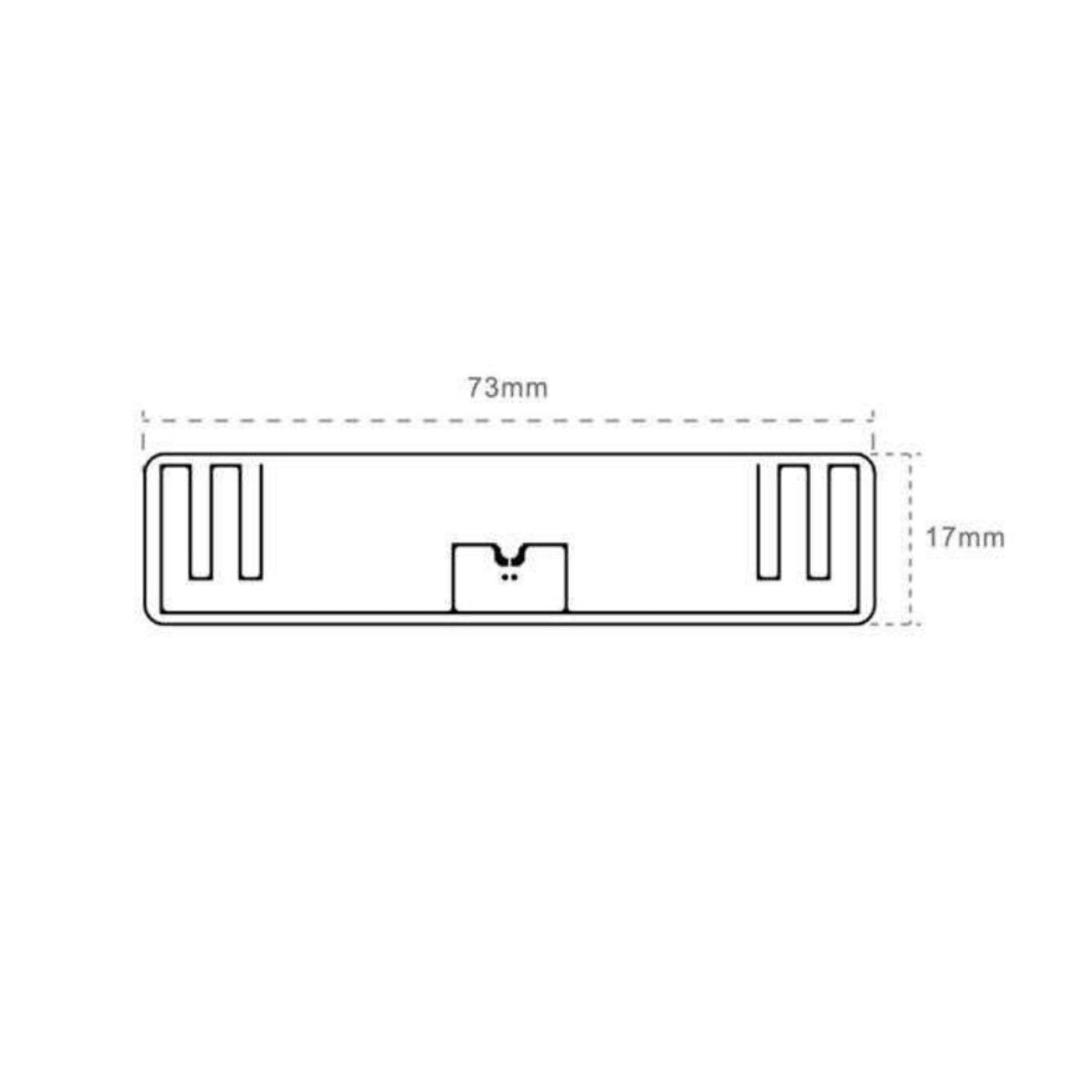
Sustainable Label TRC930 | UHF | 73x17mm
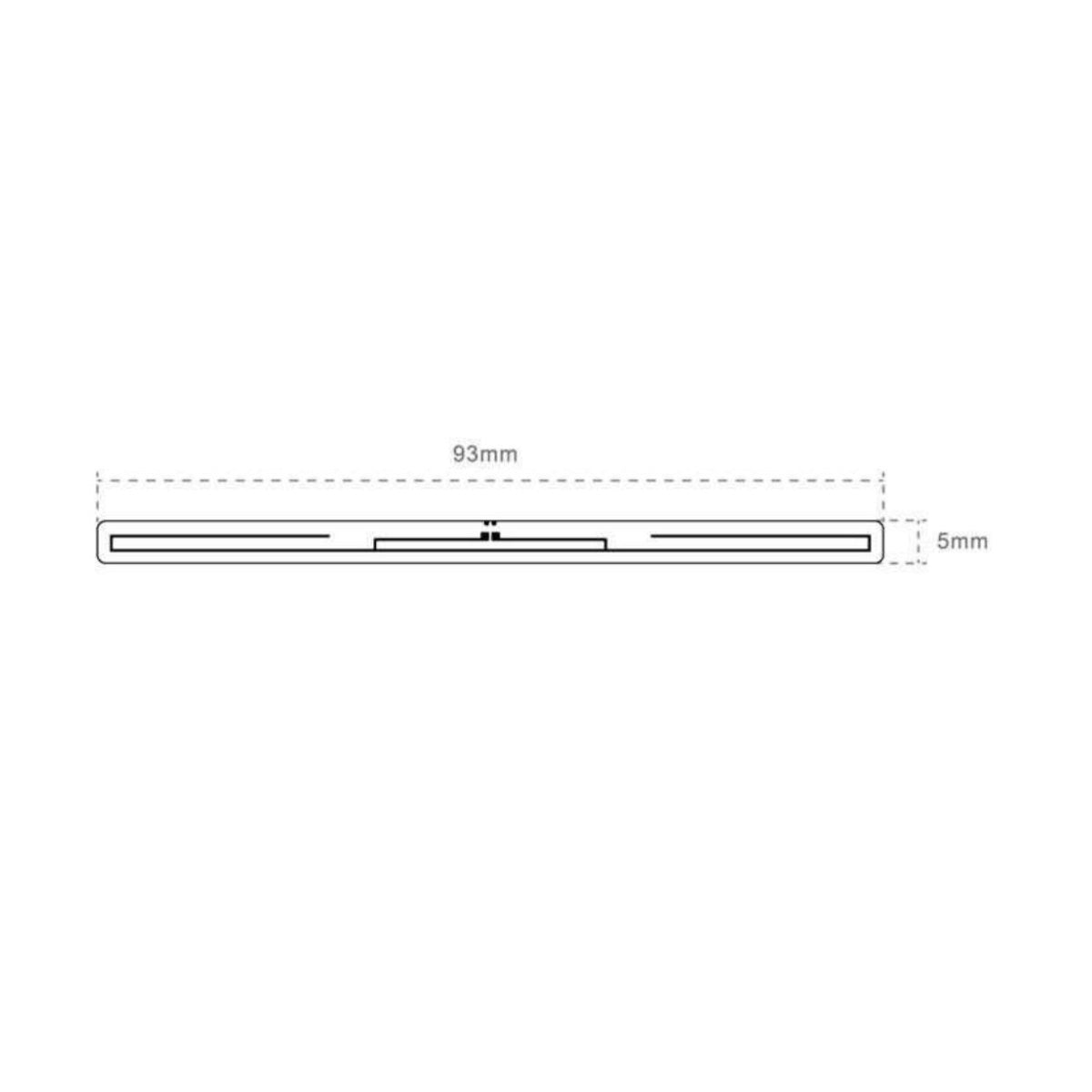
Sustainable Label TRC933 | UHF | 93x5mm
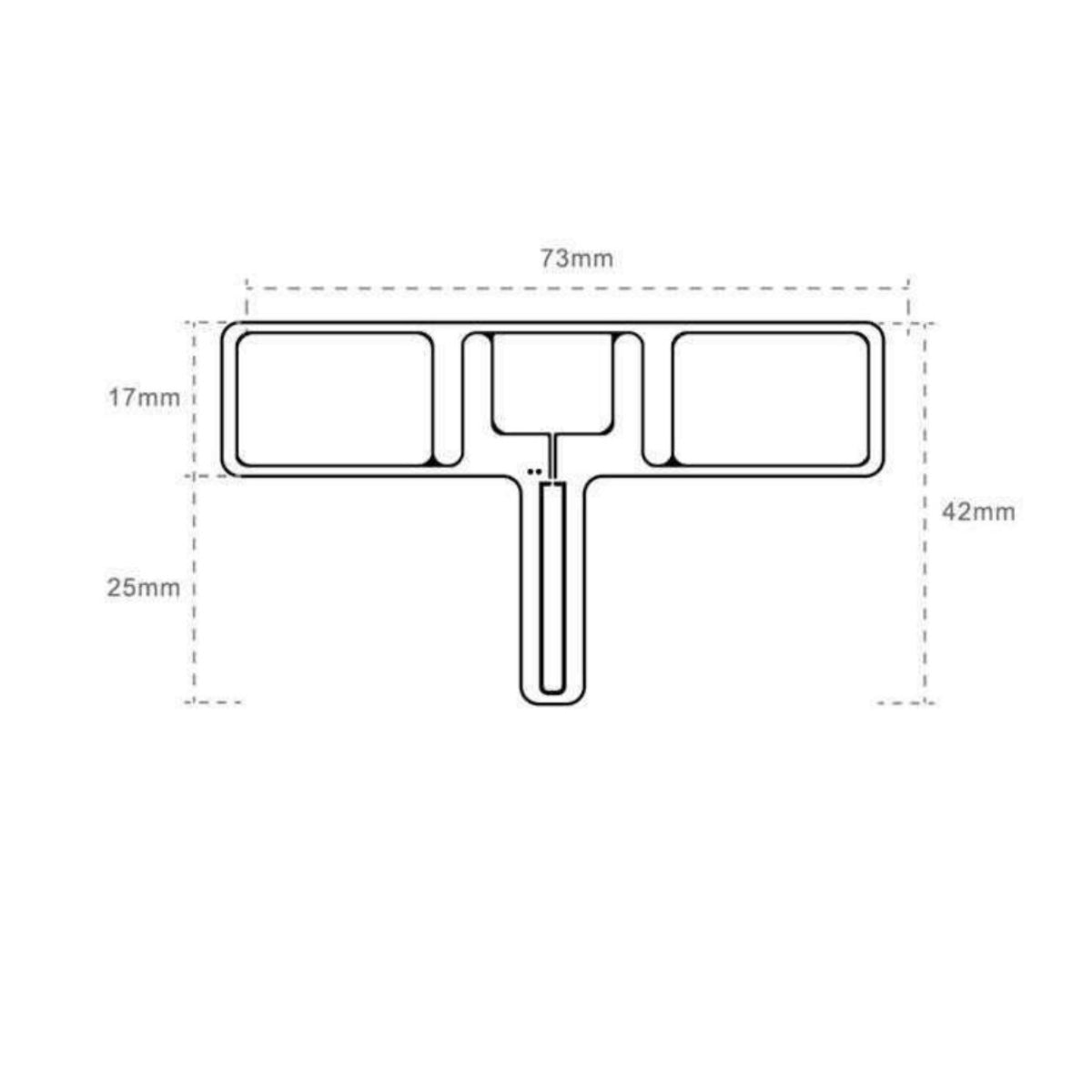
Sustainable Tamper-Proof Label TRC935TT | UHF | 73x42mm
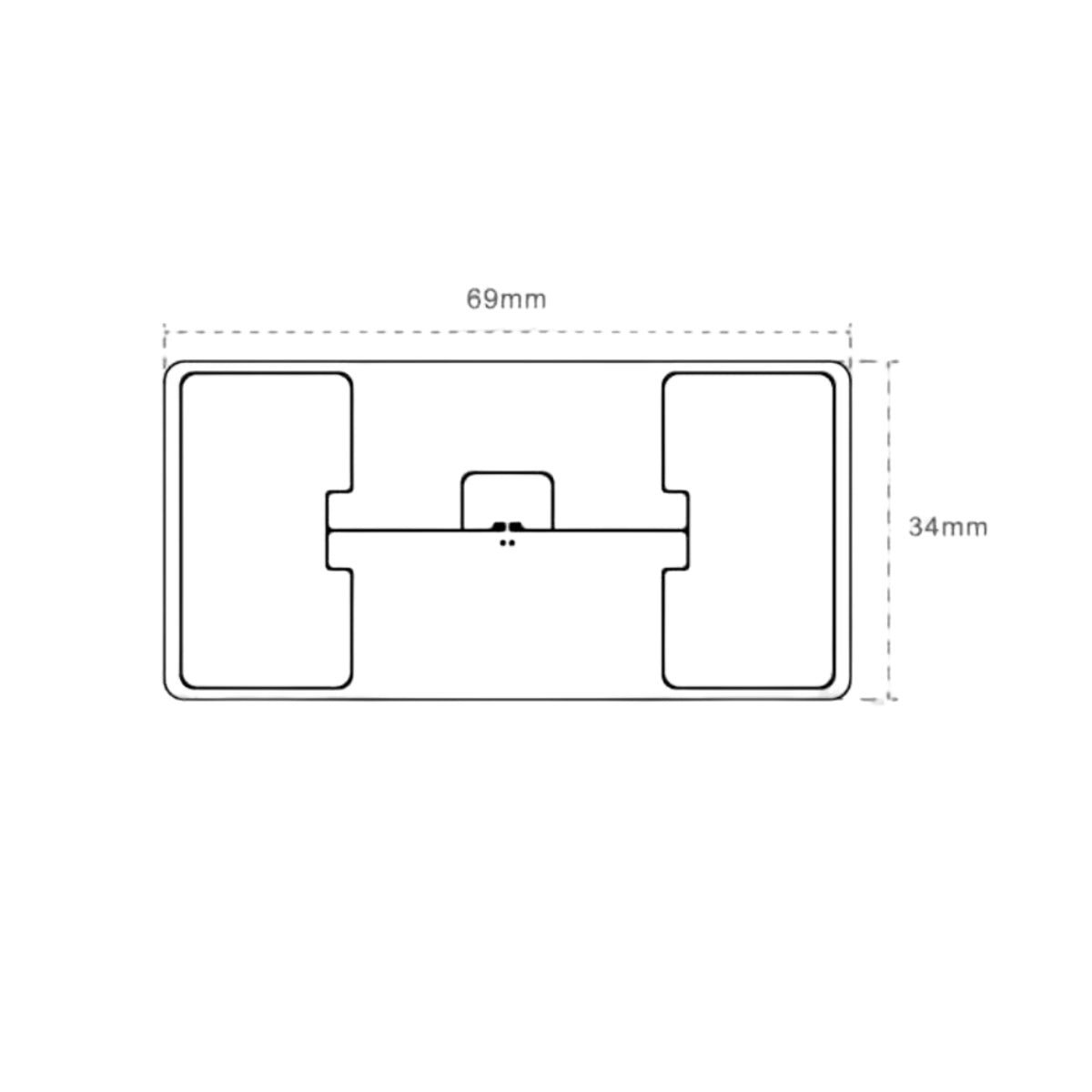
Sustainable Label TRC980 | UHF | 69x34mm
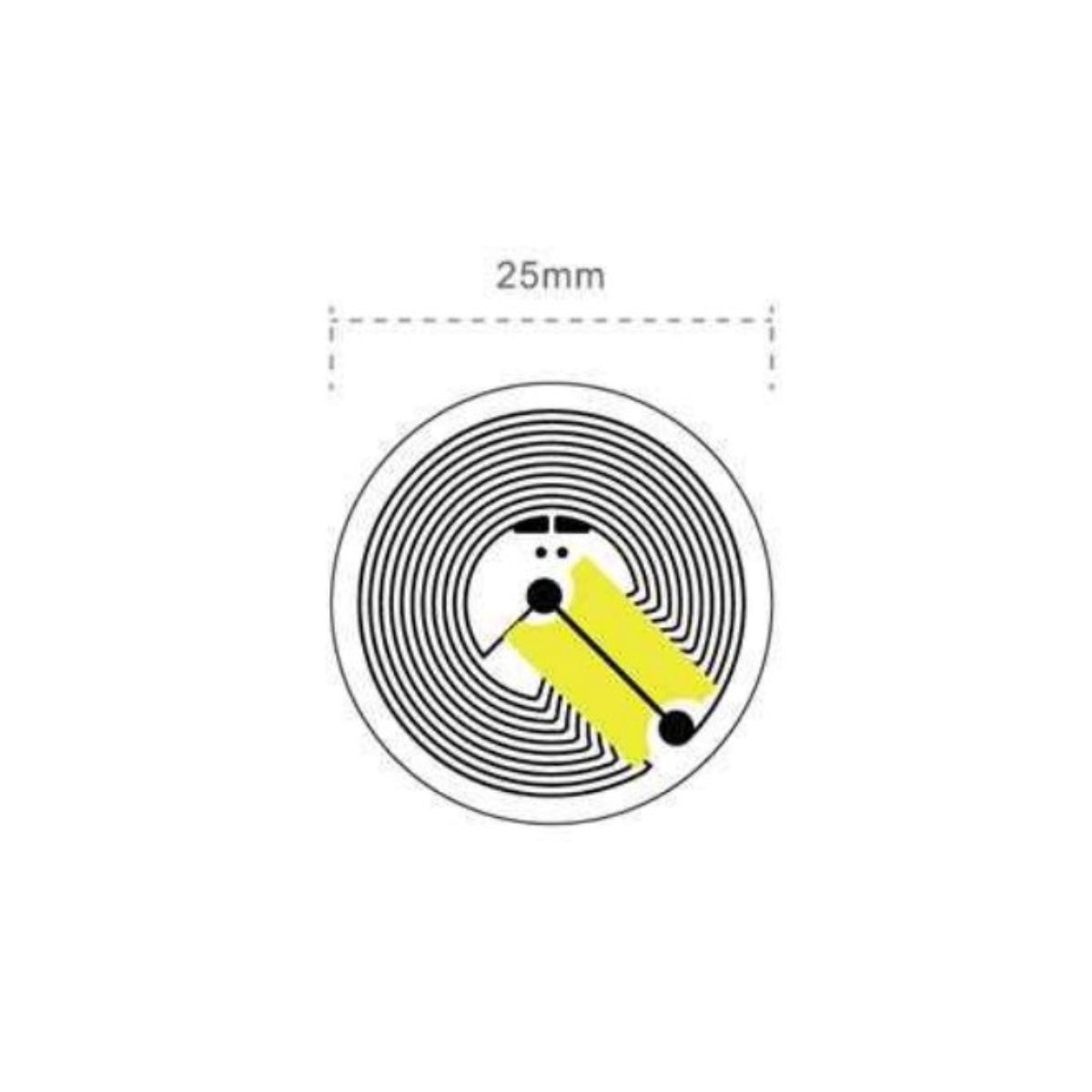
Sustainable Label TRC500 | NFC | D25mm
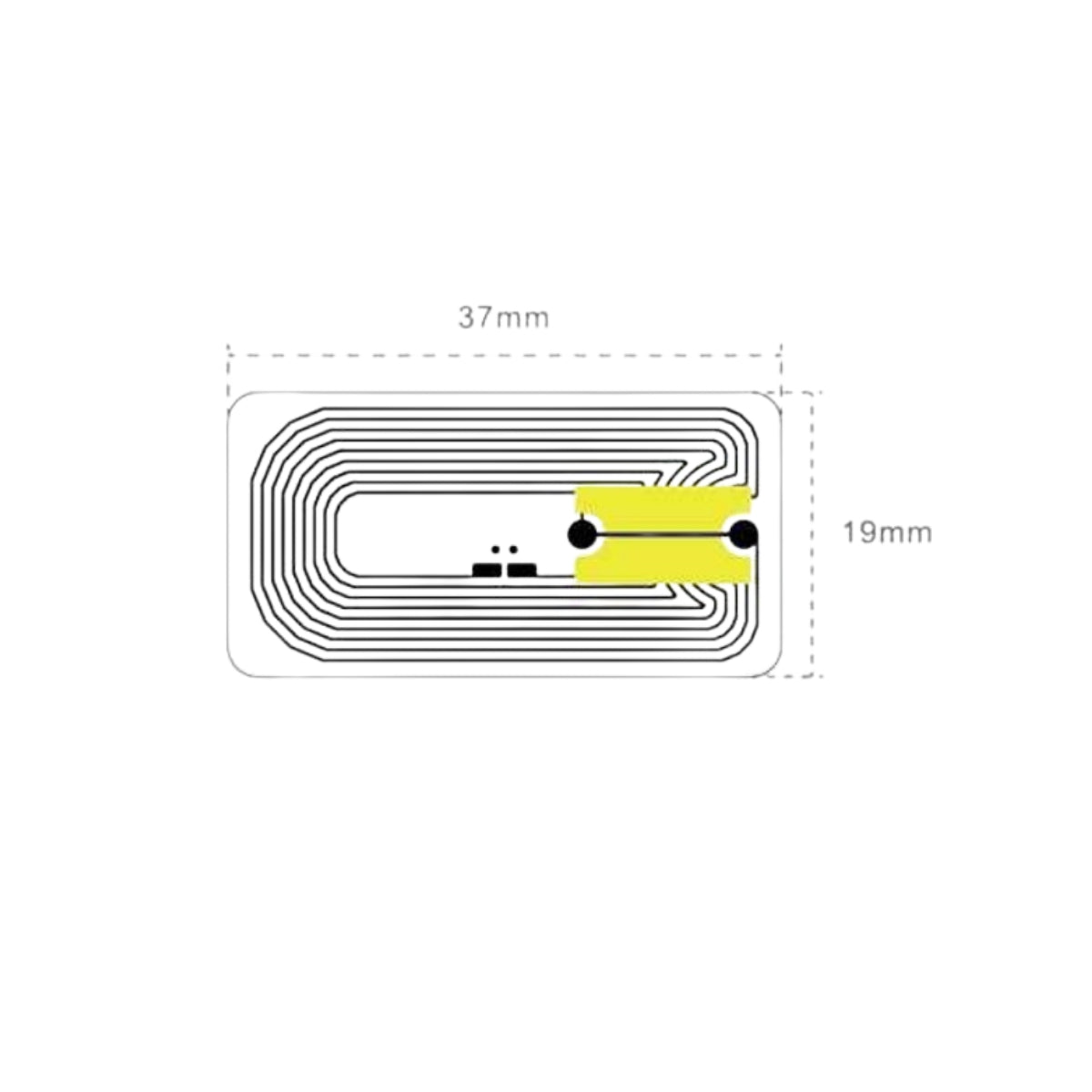
Sustainable Label TRC534 | NFC | 37x19mm
Straight answers to common questions we hear from operators
What are sustainable RFID labels?
Sustainable Radio-Frequency Identification (RFID) labels are tracking tags that are meant to be better for the environment than regular ones.
What makes sustainable RFID labels better for the environment?
Less Plastic: They use materials like paper, wood, or cellulose instead of plastic pieces like the PET substrate.
Better Recycling: Tags that are mostly made of paper can be recycled with cardboard packaging. You don't have to sort the plastic, metal, and adhesive that are generally in tags, which makes it easier to recycle.
Less Pollution: They often use fewer chemicals in their manufacturing processes (like when they etch aluminum for the antenna) and can employ renewable resources, which means they have a smaller effect on the environment as a whole.
What is a "PET-free" RFID label?
A "PET-free" RFID label is a tag that doesn't have the Polyethylene Terephthalate (PET) plastic substrate (the film that holds the chip and antenna) that most RFID labels do.
What materials are used in eco-friendly RFID tags?
Eco-friendly RFID tags are made from materials that are easier to recycle and can be used again, like paper and cardboard, plant-based materials, conductive inks (like silver ink), and adhesives that break down in the environment.
Do sustainable RFID labels work as well as regular ones?
Yes, they do most of the time. Eco-friendly RFID labels made now are equally as good as older plastic ones when it comes to read range, reliability, and performance.