
News
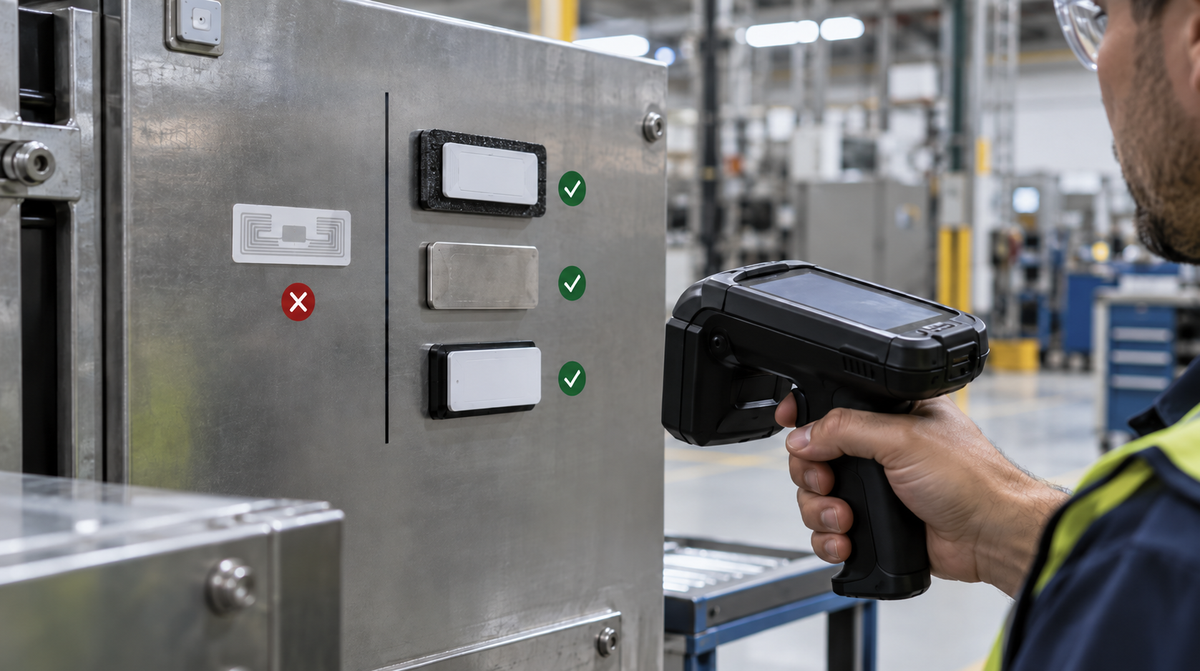
Why Standard RFID Tags Fail on Metal, and What to Test Instead?
Standard RFID tags can lose read performance when mounted directly on metal. Learn why metal interferes with RFID, how on-metal RFID tags address the problem, and what businesses should test before selecting tags for tools, machinery, equipment and other metal assets.

How to Reduce Inventory Mistakes with RFID: A Simple 2026 Guide for Warehouses
Discover how RFID inventory management can reduce warehouse inventory errors, improve stock accuracy, and streamline receiving, picking, packing, shipping, and cycle counting.
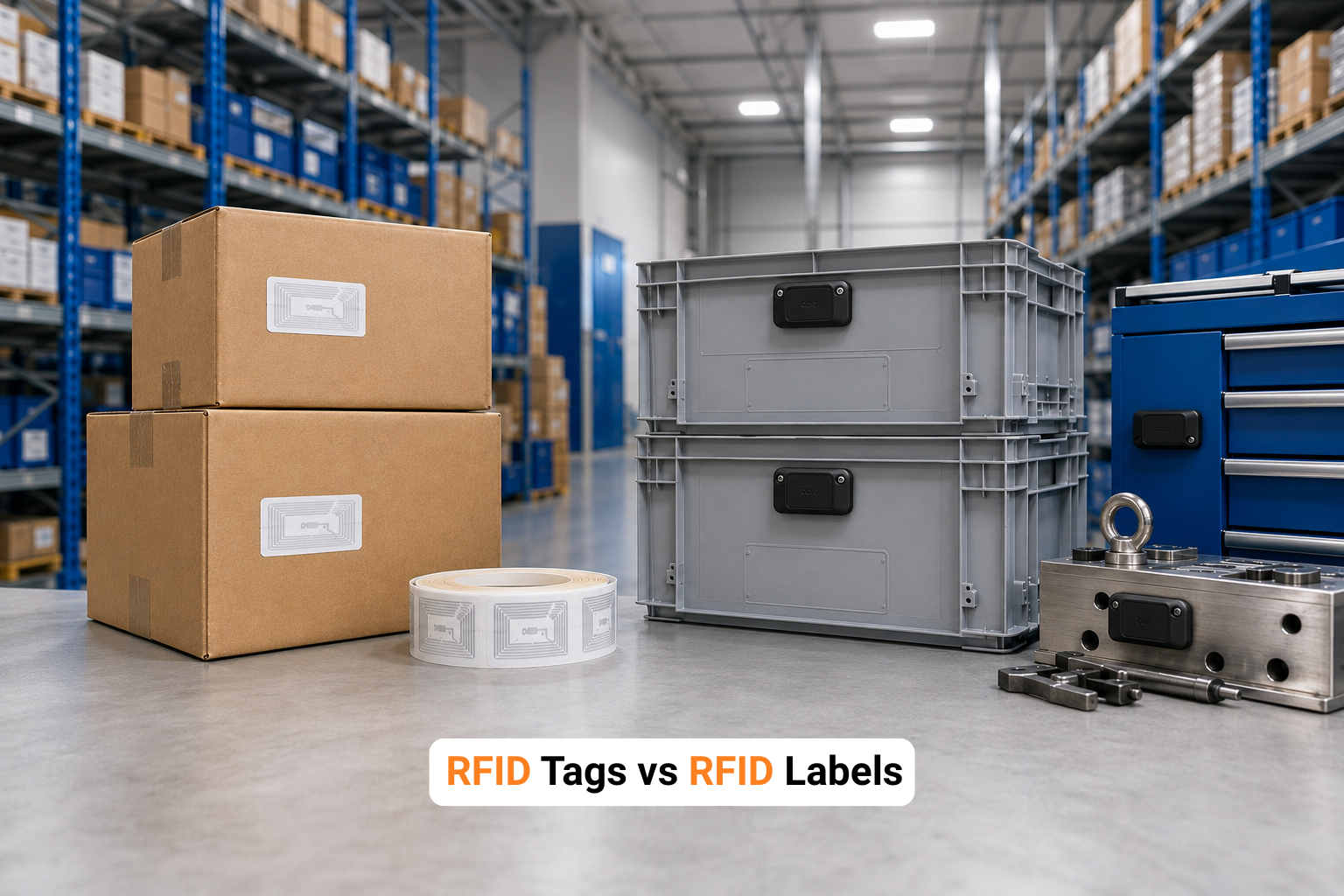
RFID Tags vs RFID Labels: What's the Difference?
RFID tags and RFID labels both support wireless identification, but they differ in design, durability, cost, and application. This guide explains when to use printable RFID labels, when rugged RFID tags are more suitable, and which factors businesses should evaluate before deployment.
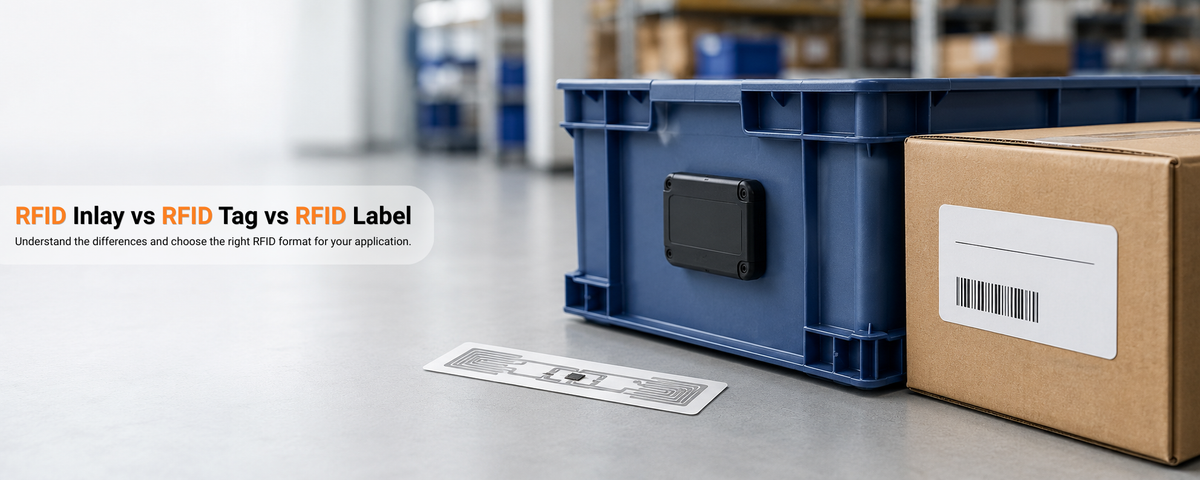
RFID Inlay vs RFID tag vs RFID Label: What European Businesses Need to Know
Confused between RFID inlays, RFID tags and RFID labels? This guide explains the key differences, use cases, durability factors and selection criteria to help European businesses choose the right RFID format for logistics, retail, laundry, RTIs, asset tracking and packaging.

How to Choose UHF RFID Labels: Read Range, Surface & Applications
A practical guide to UHF RFID labels, their applications, benefits, on-metal RFID tag use cases, and how European businesses can choose the right RFID label for asset tracking, warehouse management and supply chain visibility.


RFID Tag for Apparel: How It Works, Benefits, and How to Choose the Right Solution
RFID tags for apparel help businesses improve garment tracking, inventory accuracy, and operational efficiency. This blog explains how they work, the main benefits, and how to choose the right RFID solution for apparel applications.
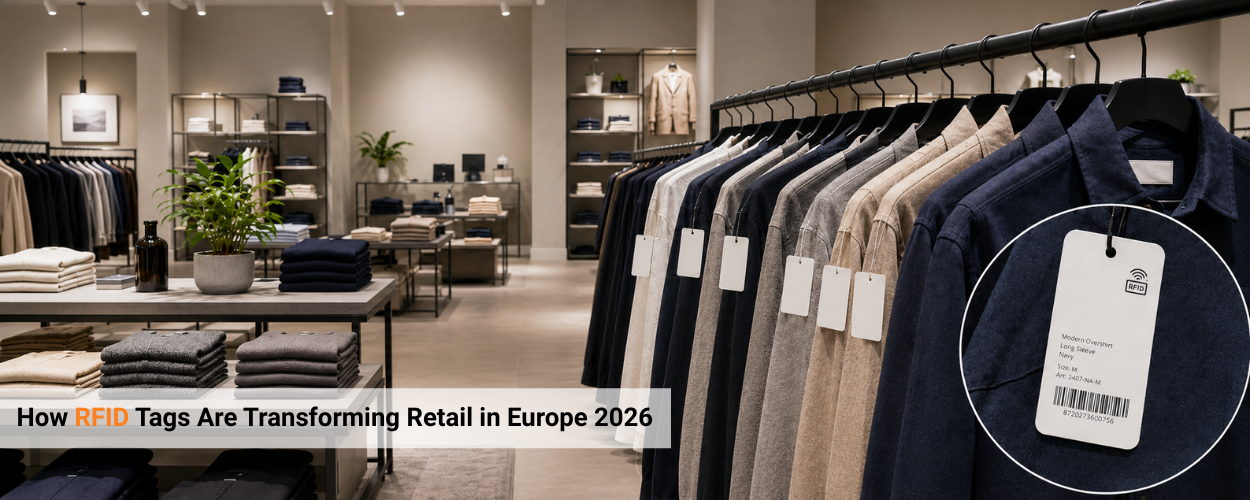
How RFID Tags Are Transforming Retail in Europe (2026 Guide)
RFID tags are changing retail in Europe by improving inventory accuracy, reducing shrinkage, supporting omnichannel sales, and helping retailers create faster, smarter store operations in 2026.

What Are RFID Tags? Types, Uses & How to Choose the Right One (EU Guide)
RFID tags are small electronic devices that use radio frequency technology to track and identify objects without line-of-sight. This guide explains how RFID tags work, their types (passive, active, and industrial), key applications across Europe, and how to choose the right RFID solution for your business.