

The Hidden Waste of RFID:

The RFID industry is booming—but so is its environmental footprint.
- Over 700 million RFID inlays already equal more than 1 million m² of PET plastic waste
- In 2024 alone, the global market produced over 50 billion RFID labels
- That’s equivalent to 71 km² of PET plastic
Enough RFID waste to almost cover Paris!
At TRC, we believe visibility shouldn’t come at the planet’s expense. From recyclable tags to smarter deployments, we help you cut waste without cutting corners.
This is where the road to IOT sustainability begins.

It will take a long time to get to a more sustainable future, but TRC is with you every step of the way. Our environmentally friendly RFID solutions help businesses reduce waste, improve their supply chains, and meet their sustainability goals without affecting performance. We provide RFID solutions that are better for the environment and your business, such as labels and tags that can be broken down and reused.



Sustainable & Biodegradable RFID


Sustainable Label TRC836 | UHF | 39x19mm
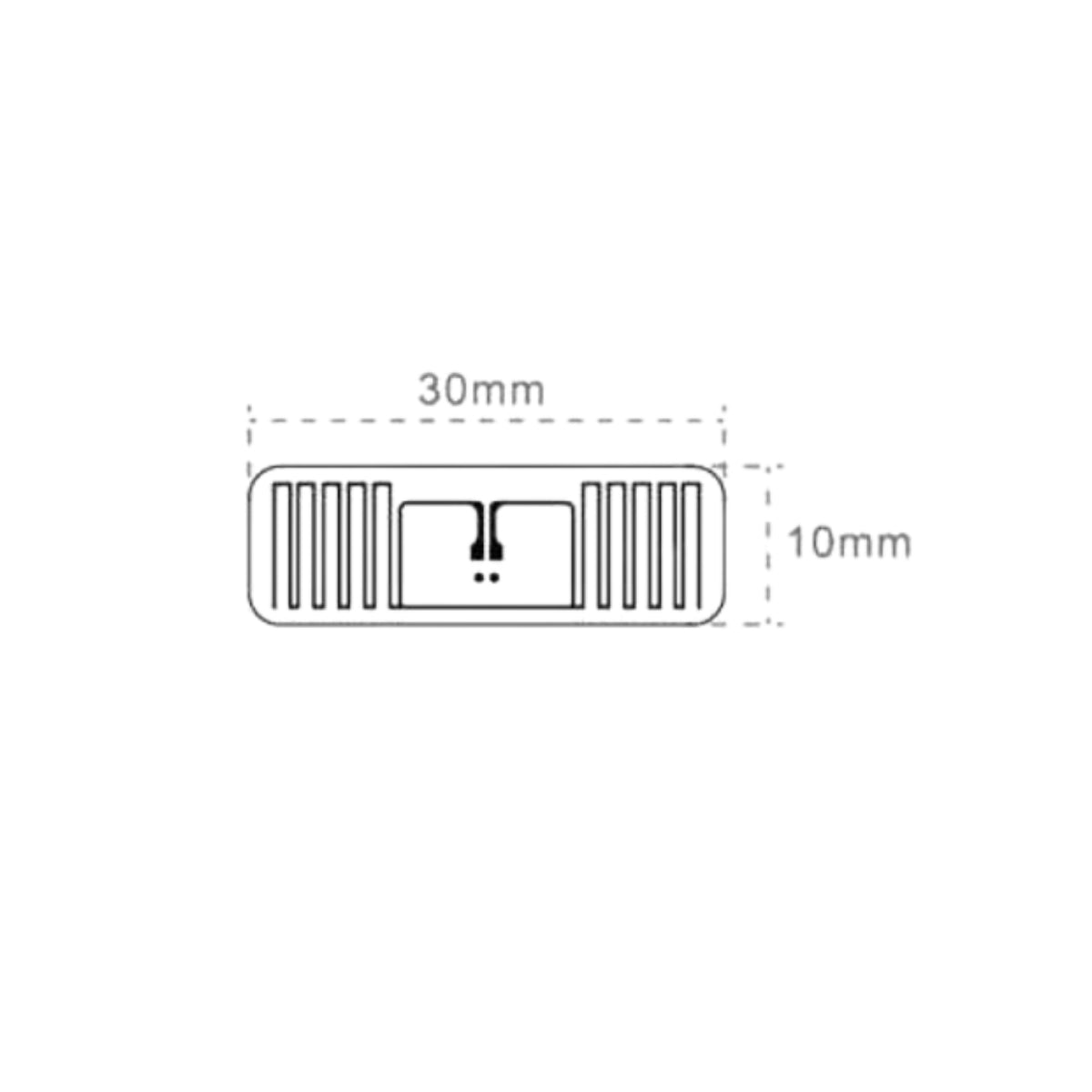
Sustainable Label TRC840 | UHF | 30x10mm
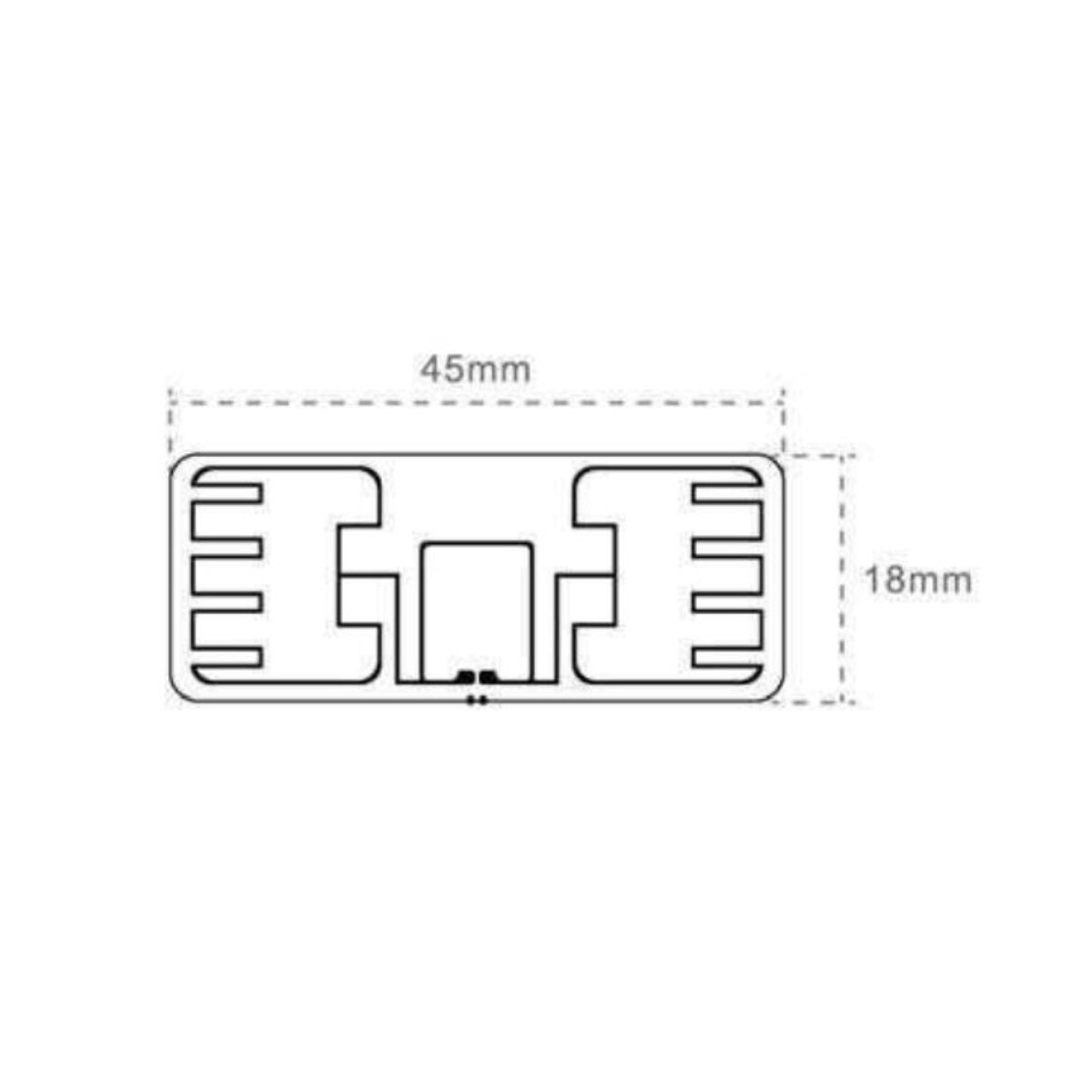
Sustainable Label TRC842 | UHF | 45x18mm
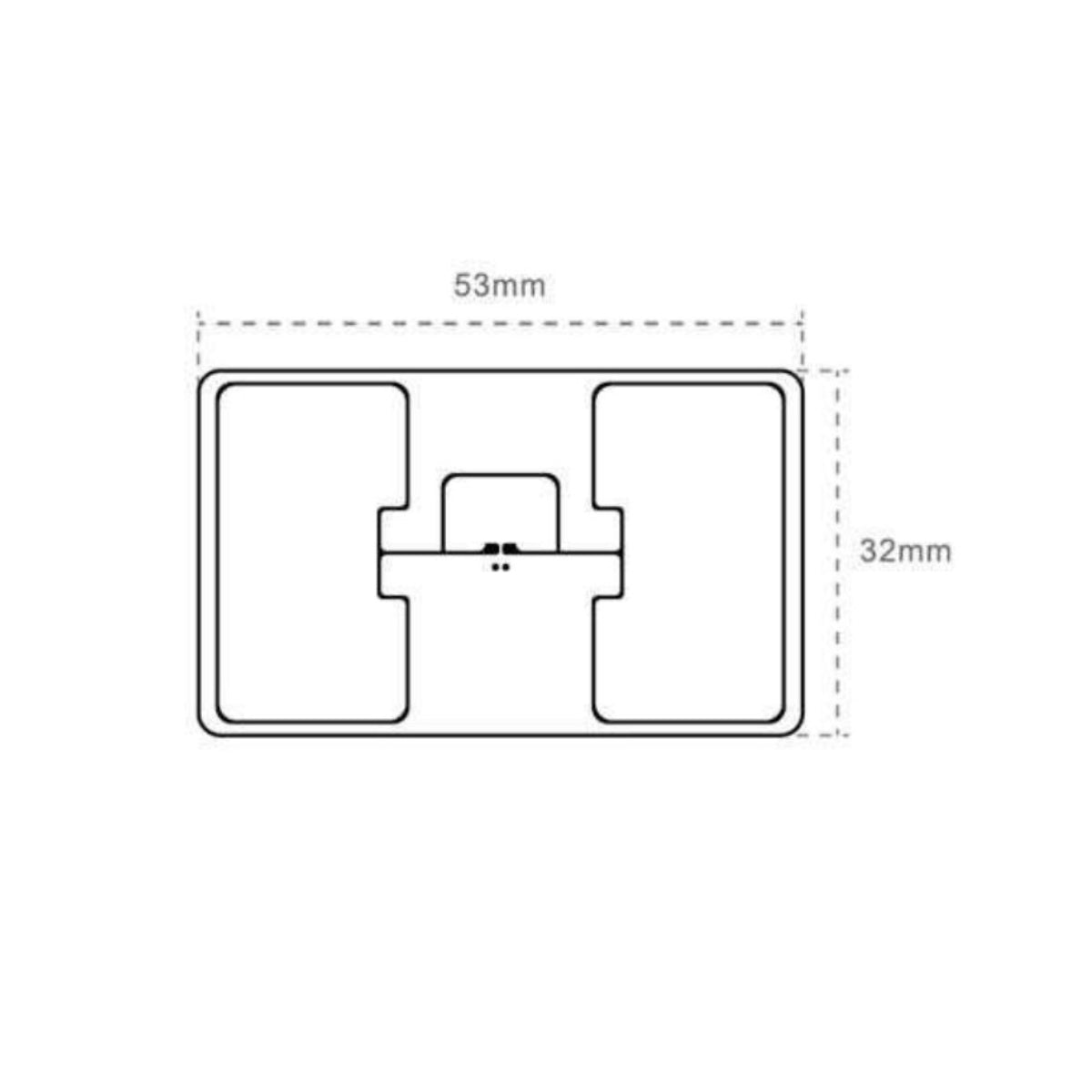
Sustainable Label TRC850 | UHF | 53x32mm
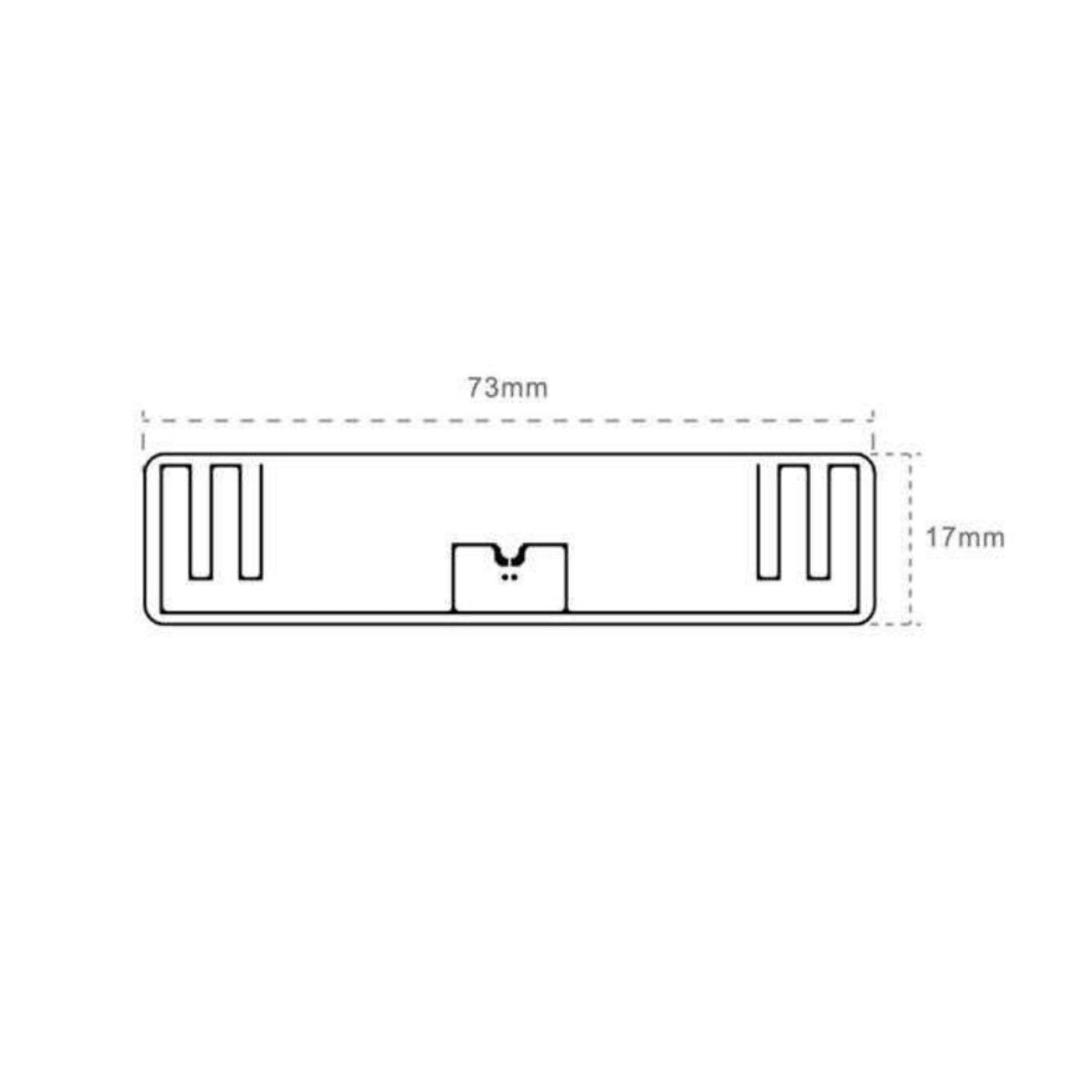
Sustainable Label TRC930 | UHF | 73x17mm
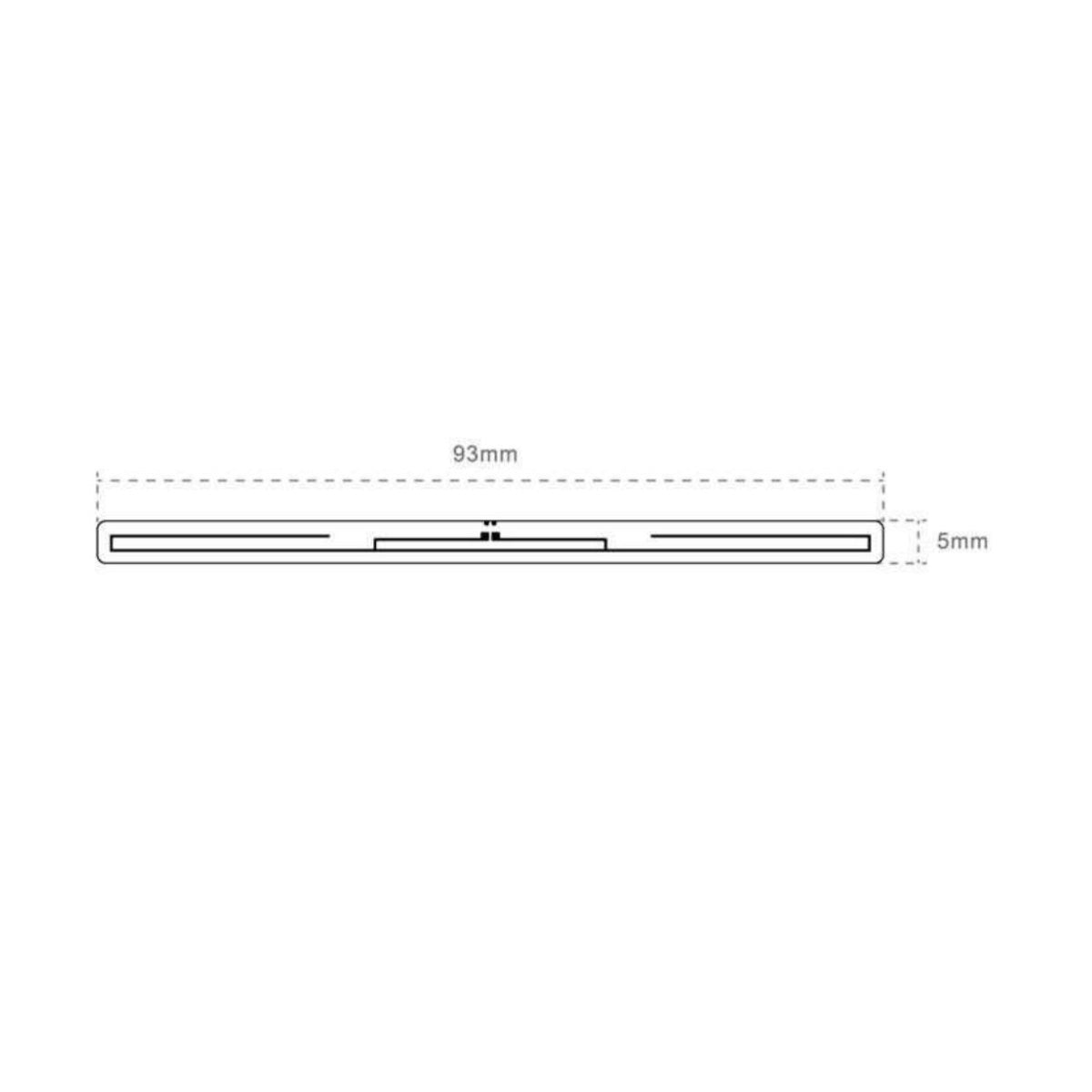
Sustainable Label TRC933 | UHF | 93x5mm
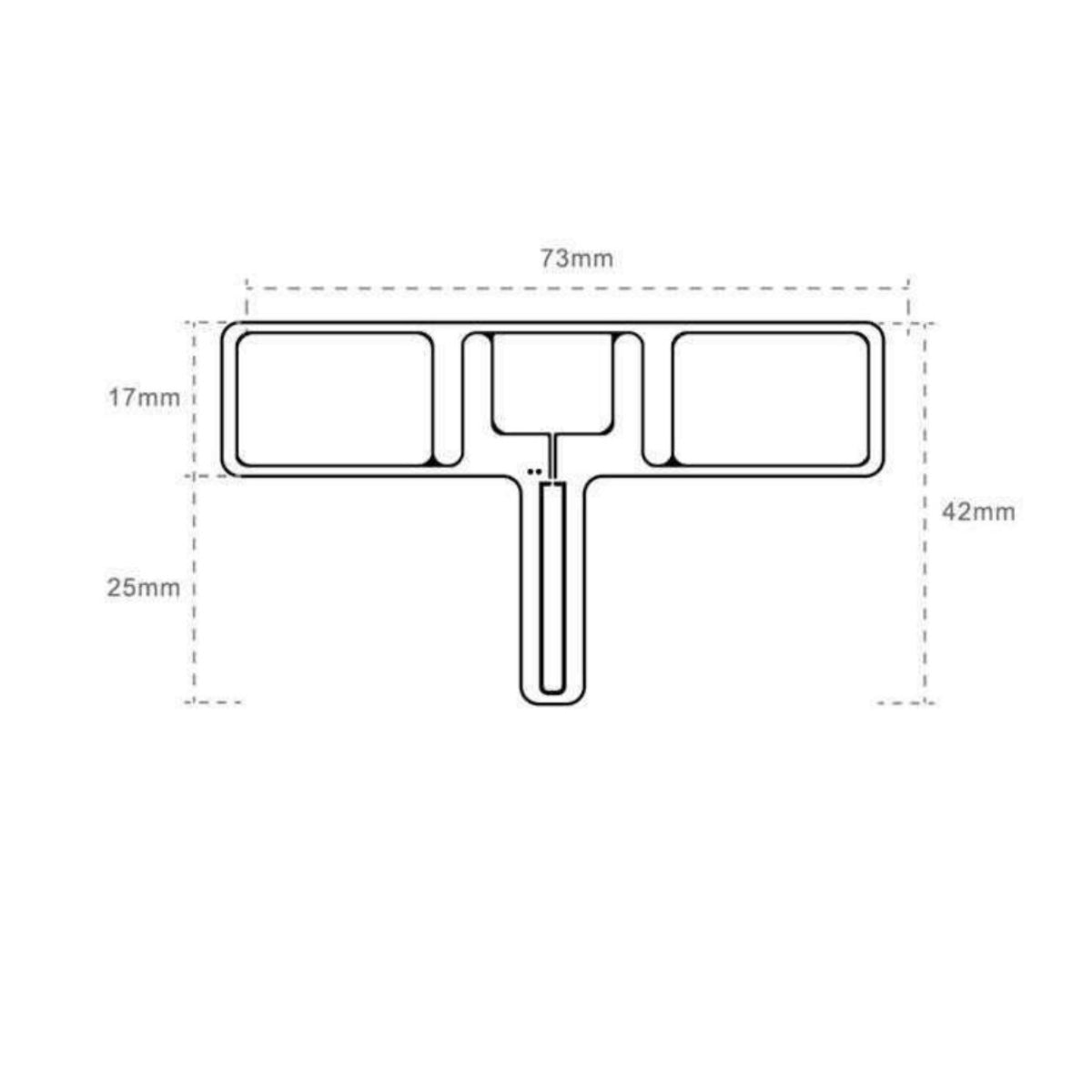
Sustainable Tamper-Proof Label TRC935TT | UHF | 73x42mm
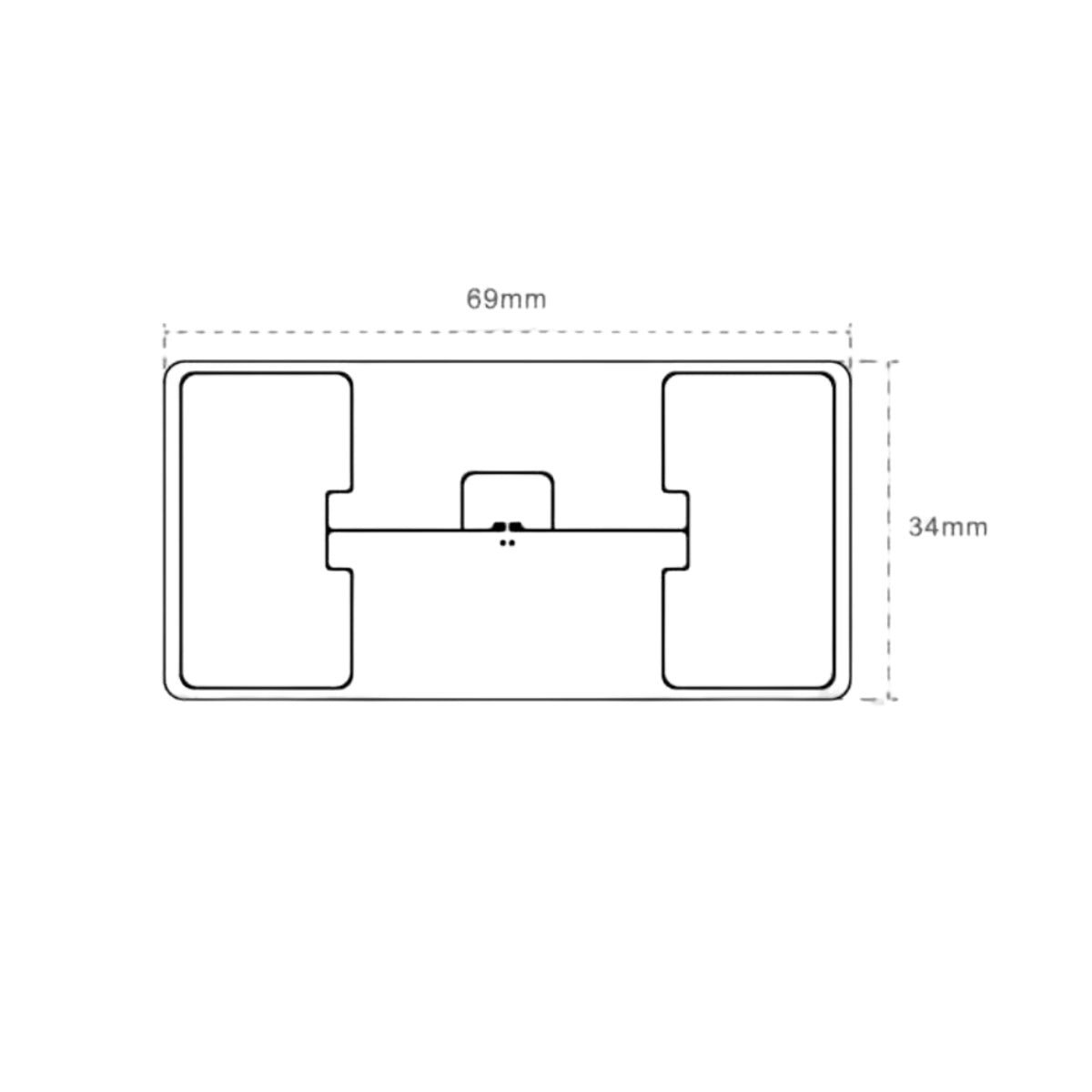
Sustainable Label TRC980 | UHF | 69x34mm
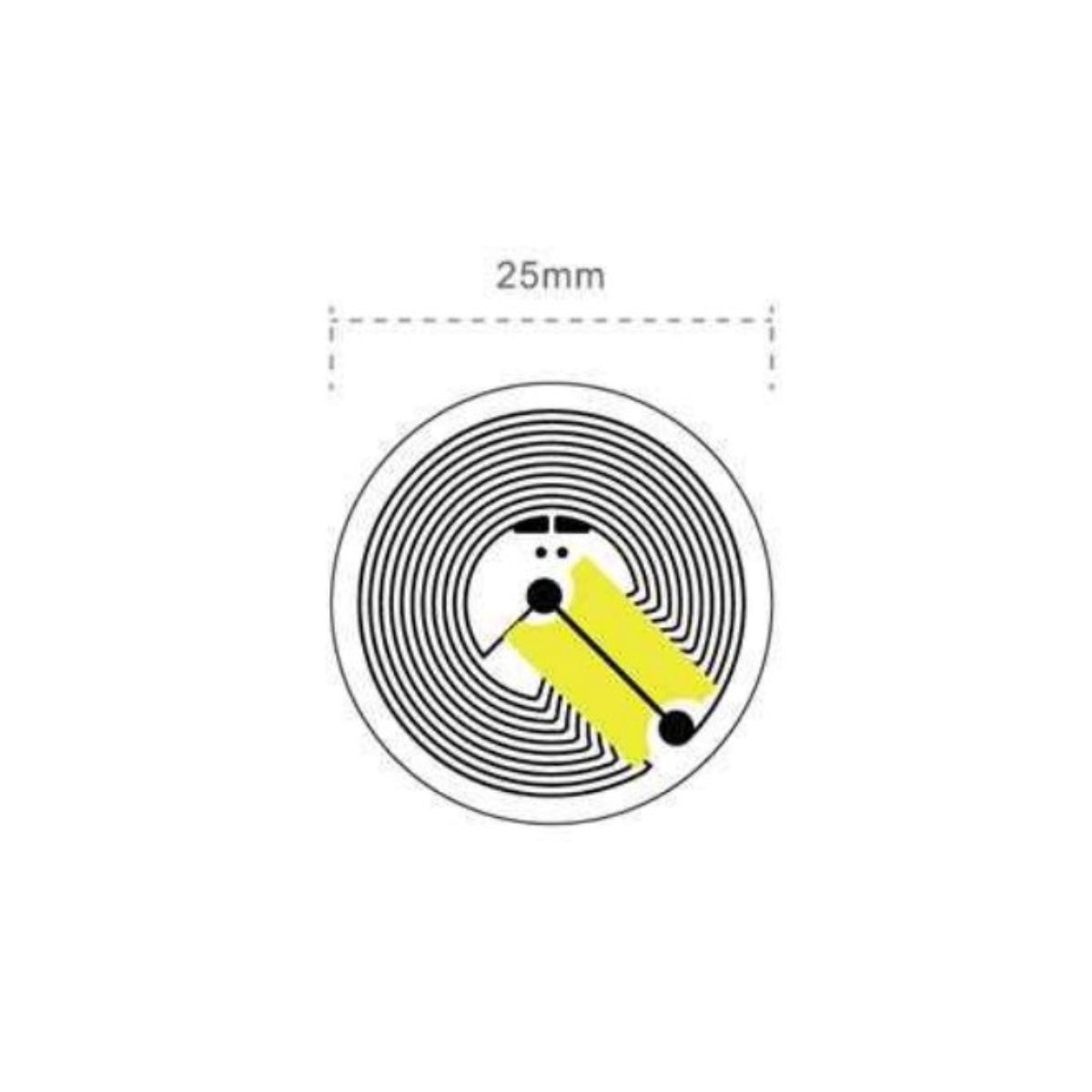
Sustainable Label TRC500 | NFC | D25mm
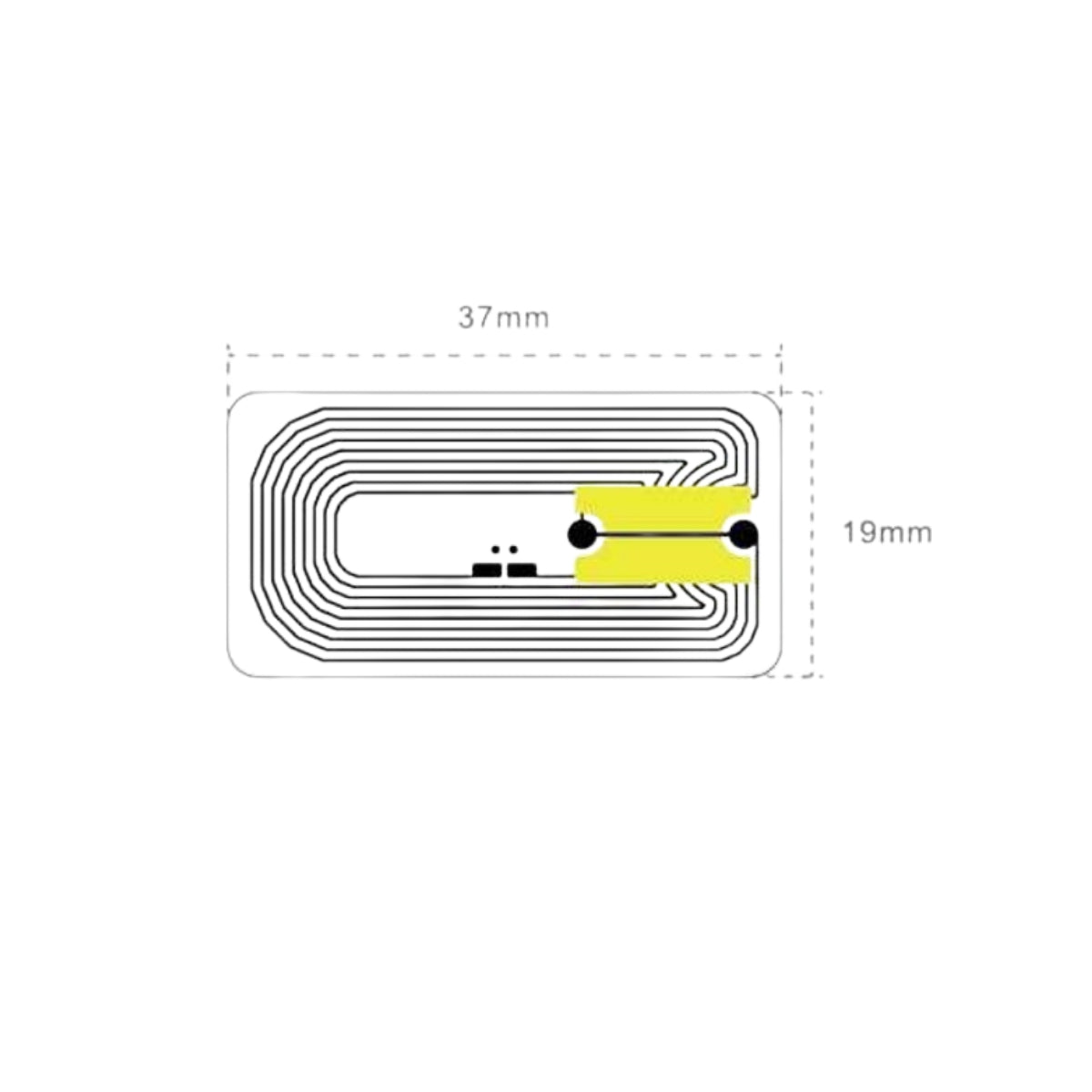
Sustainable Label TRC534 | NFC | 37x19mm
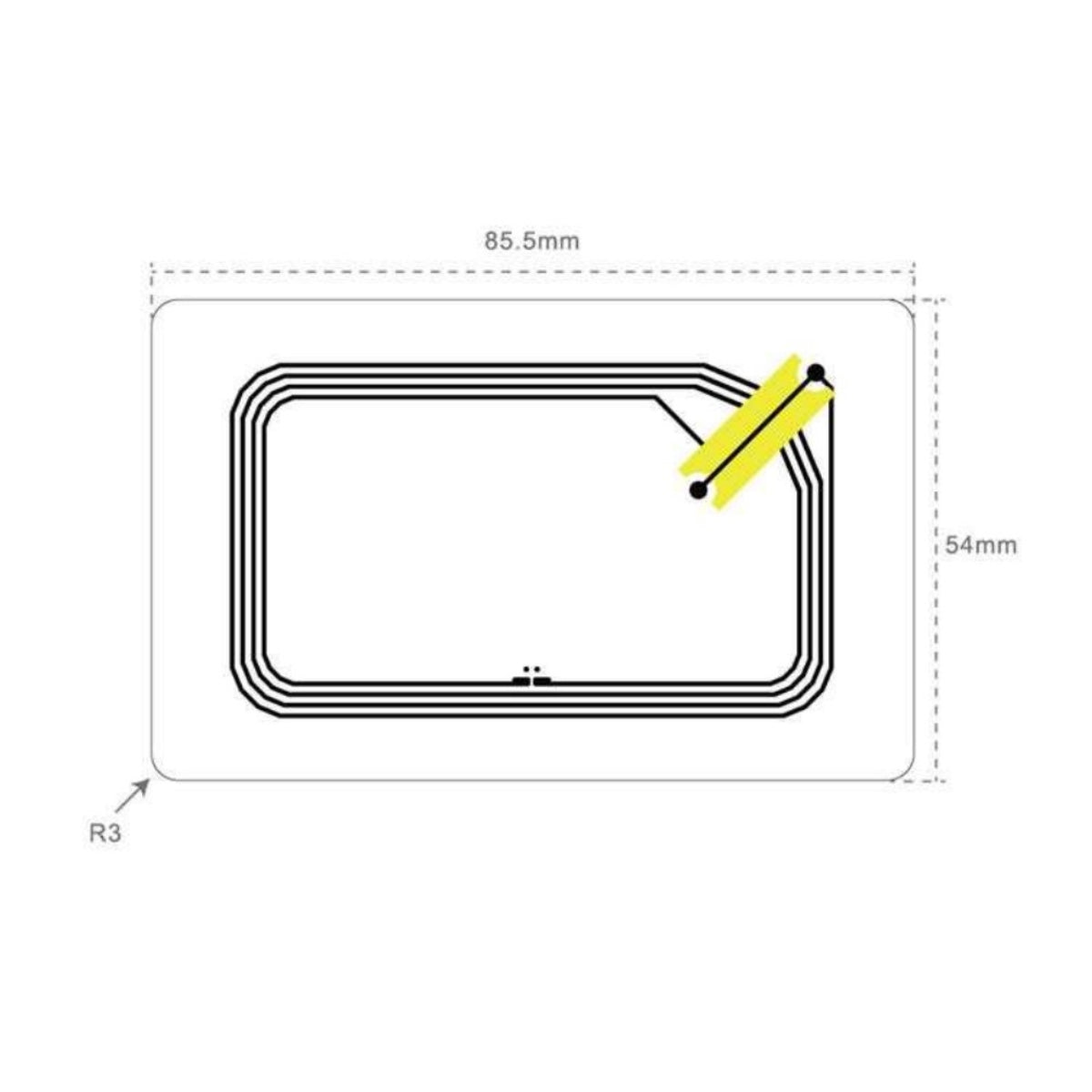
Sustainable Label TRC568 | NFC | 85.5x54mm
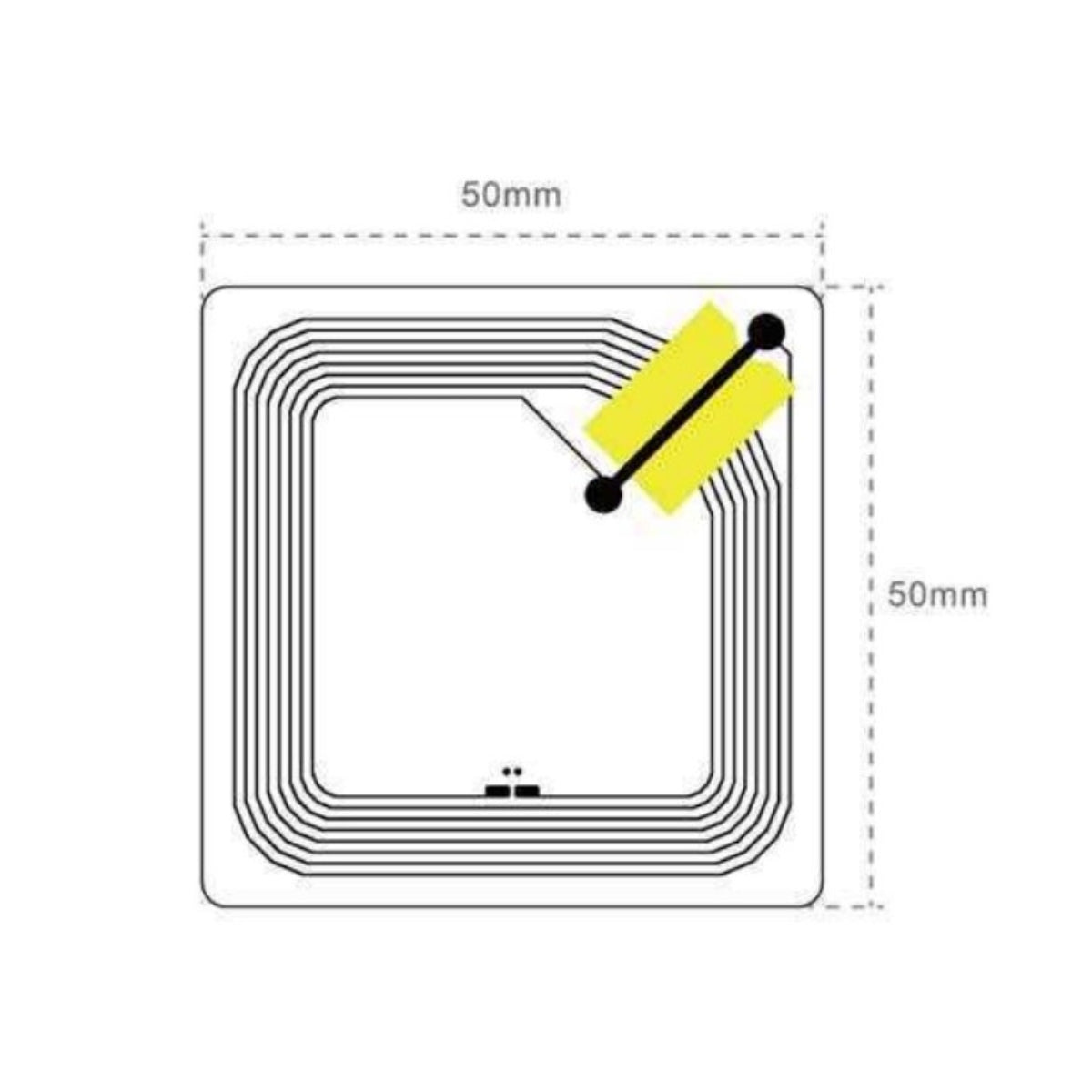
Sustainable Label TRC300 | NFC | 50x50mm
Straight answers to common questions we hear from operators
What are sustainable RFID labels?
Sustainable Radio-Frequency Identification (RFID) labels are tracking tags that are meant to be better for the environment than regular ones.
What makes sustainable RFID labels better for the environment?
Less Plastic: They use materials like paper, wood, or cellulose instead of plastic pieces like the PET substrate.
Better Recycling: Tags that are mostly made of paper can be recycled with cardboard packaging. You don't have to sort the plastic, metal, and adhesive that are generally in tags, which makes it easier to recycle.
Less Pollution: They often use fewer chemicals in their manufacturing processes (like when they etch aluminum for the antenna) and can employ renewable resources, which means they have a smaller effect on the environment as a whole.
What is a "PET-free" RFID label?
A "PET-free" RFID label is a tag that doesn't have the Polyethylene Terephthalate (PET) plastic substrate (the film that holds the chip and antenna) that most RFID labels do.
What materials are used in eco-friendly RFID tags?
Eco-friendly RFID tags are made from materials that are easier to recycle and can be used again, like paper and cardboard, plant-based materials, conductive inks (like silver ink), and adhesives that break down in the environment.
Do sustainable RFID labels work as well as regular ones?
Yes, they do most of the time. Eco-friendly RFID labels made now are equally as good as older plastic ones when it comes to read range, reliability, and performance.
Smarter RFID, Lower Environmental Impact

- manufactured to be circular: TRC's eco-labels are manufactured from materials that can be recycled and broken down. This cuts down on rubbish in landfills and helps companies accomplish their sustainability goals.
- Real expertise about RFID: RFID pioneers formed TRC because they know what performance needs are in retail, logistics, healthcare, and industrial sectors.
- Tested, not just in Theory: Every tag design is tested in the field for how easy it is to read, how long it lasts, and how it affects the environment before it gets to you.
- Lighter footprint, same performance: Sustainable substrates and enhanced antenna design keep the read range high without increasing plastic waste.
- Customised to your brand: Encoding, printing, and branding are all done to your exact specifications, so your identity stays the same while being sustainable.