

Browse RFID products for manufacturing environments, including on-metal tags, industrial labels, PCB tags, and rugged identification solutions. This collection helps buyers compare options by mounting method, material, read range, and tolerance for heat, vibration, and industrial handling. Use these products to support traceability across work-in-progress, tools, containers, pallets, and fixed assets. For a broader explanation of how RFID improves manufacturing visibility and process control, visit our manufacturing solutions page.
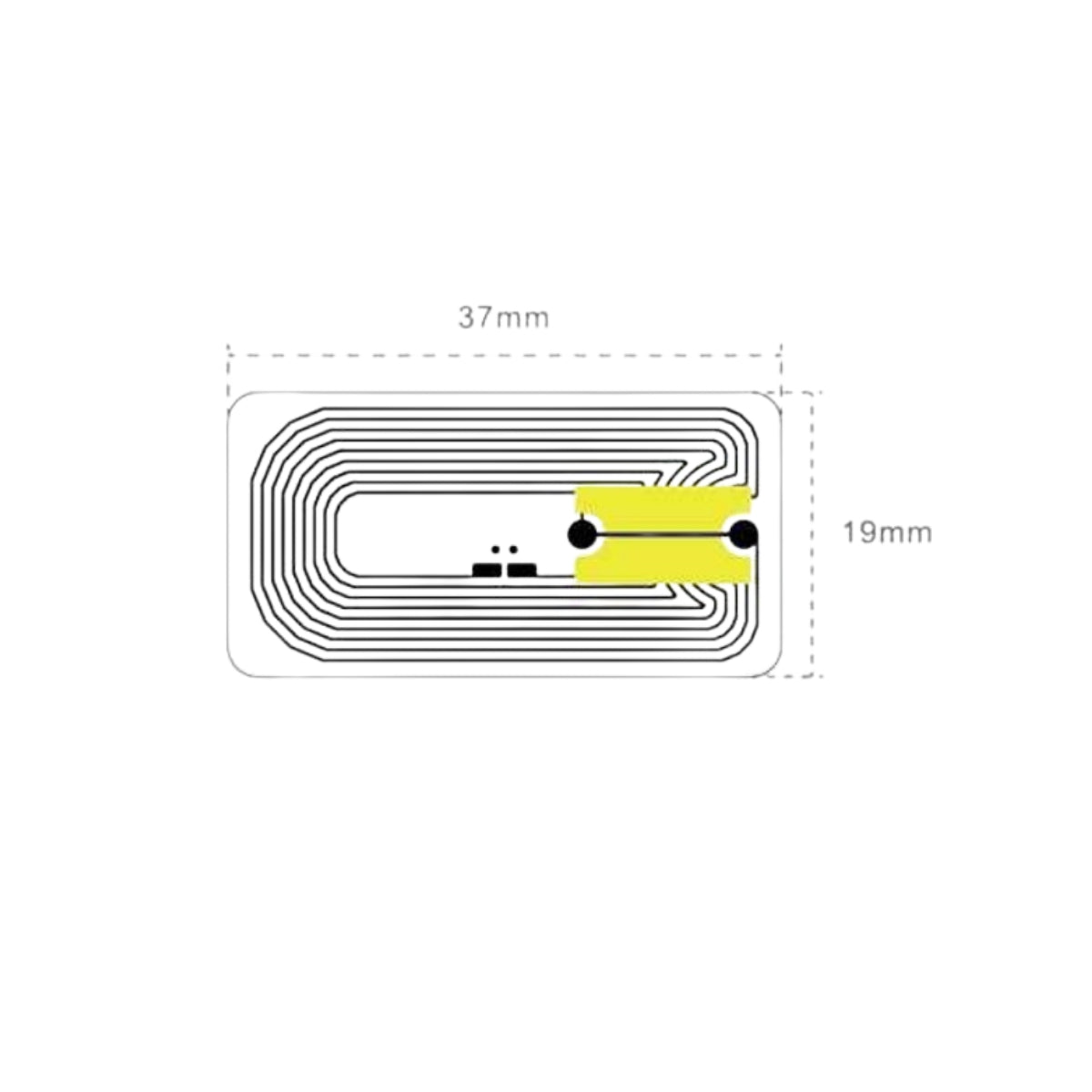
Sustainable Label TRC534 | NFC | 37x19mm
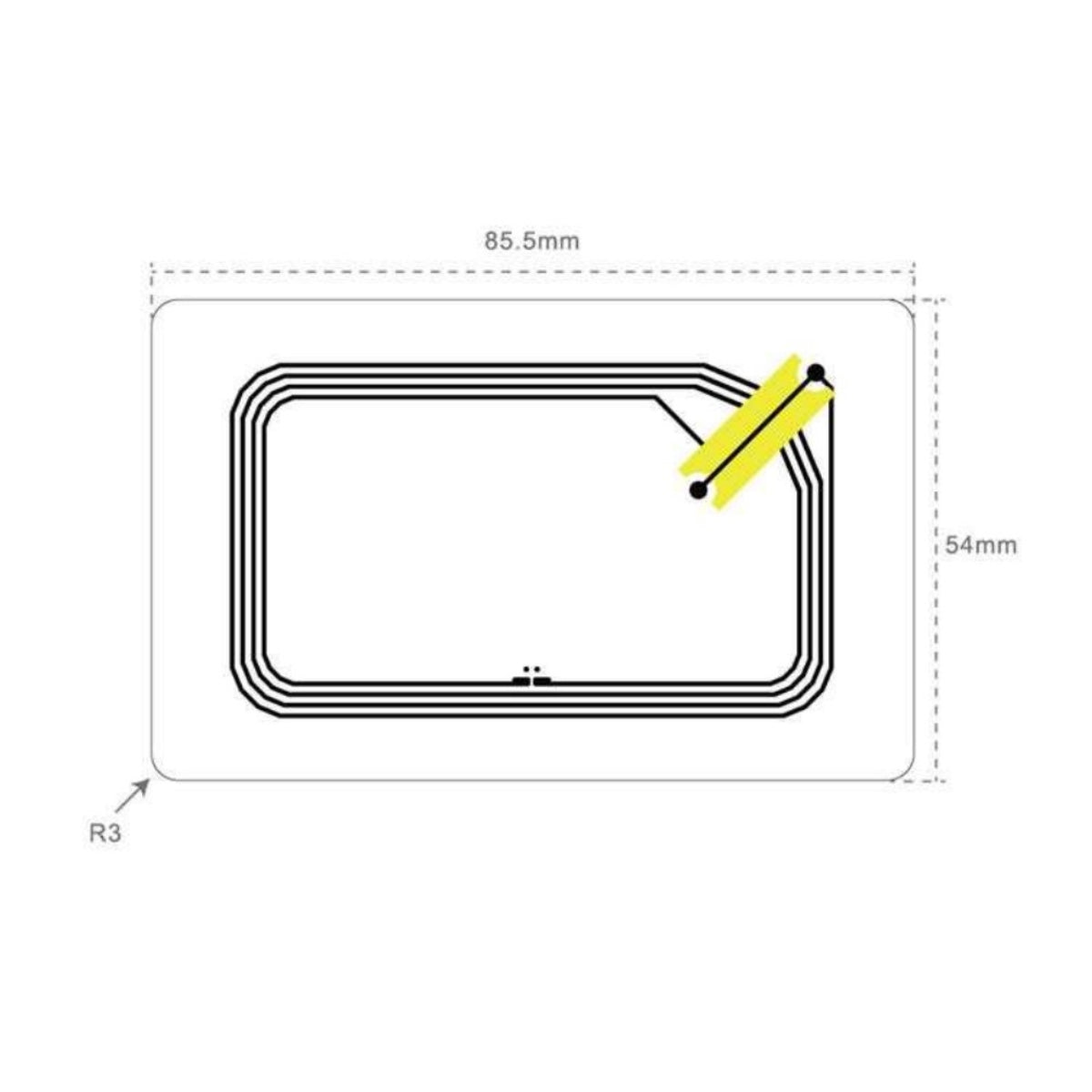
Sustainable Label TRC568 | NFC | 85.5x54mm
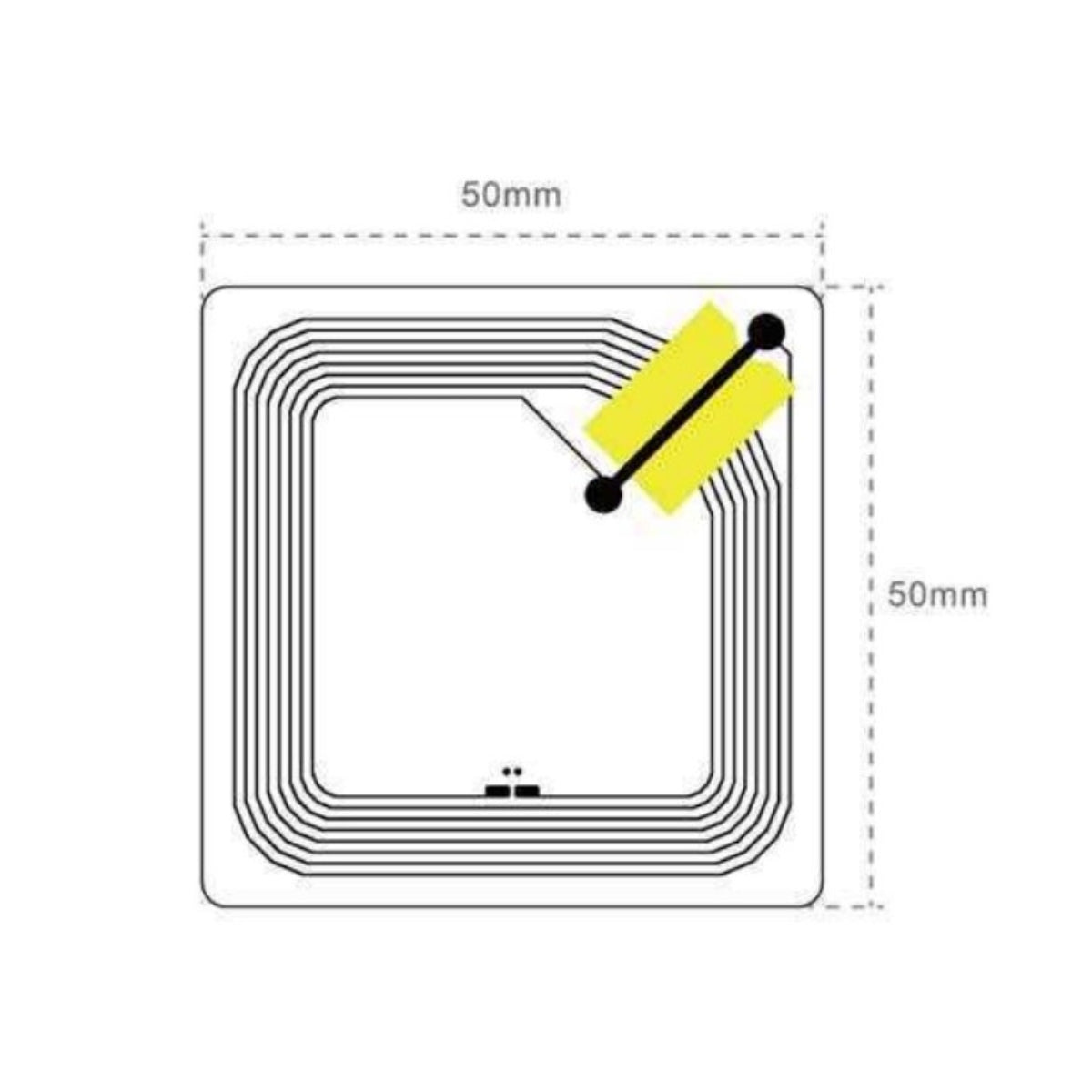
Sustainable Label TRC300 | NFC | 50x50mm
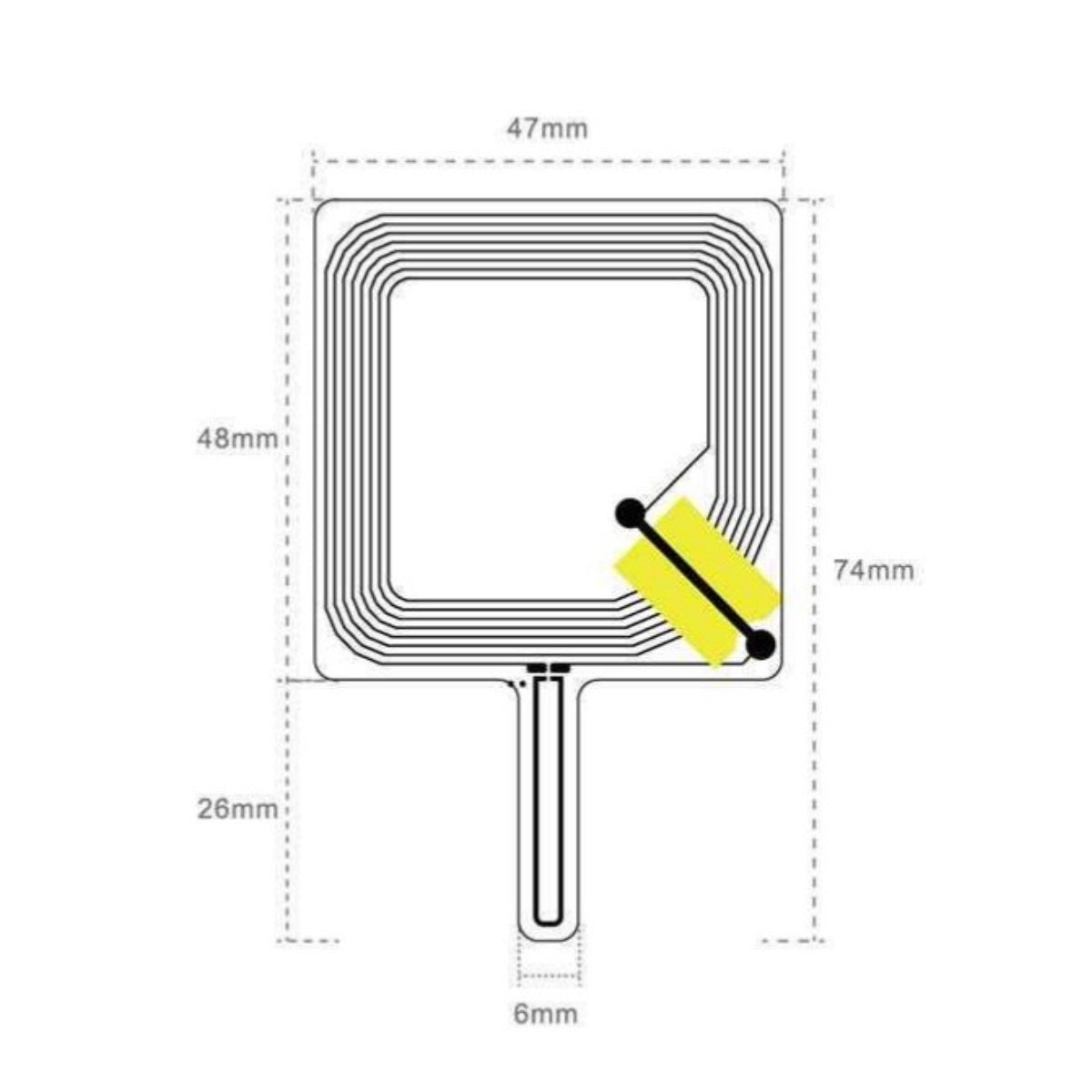
Sustainable Tamper-Proof Label TRC300TT | NFC | 74x47mm
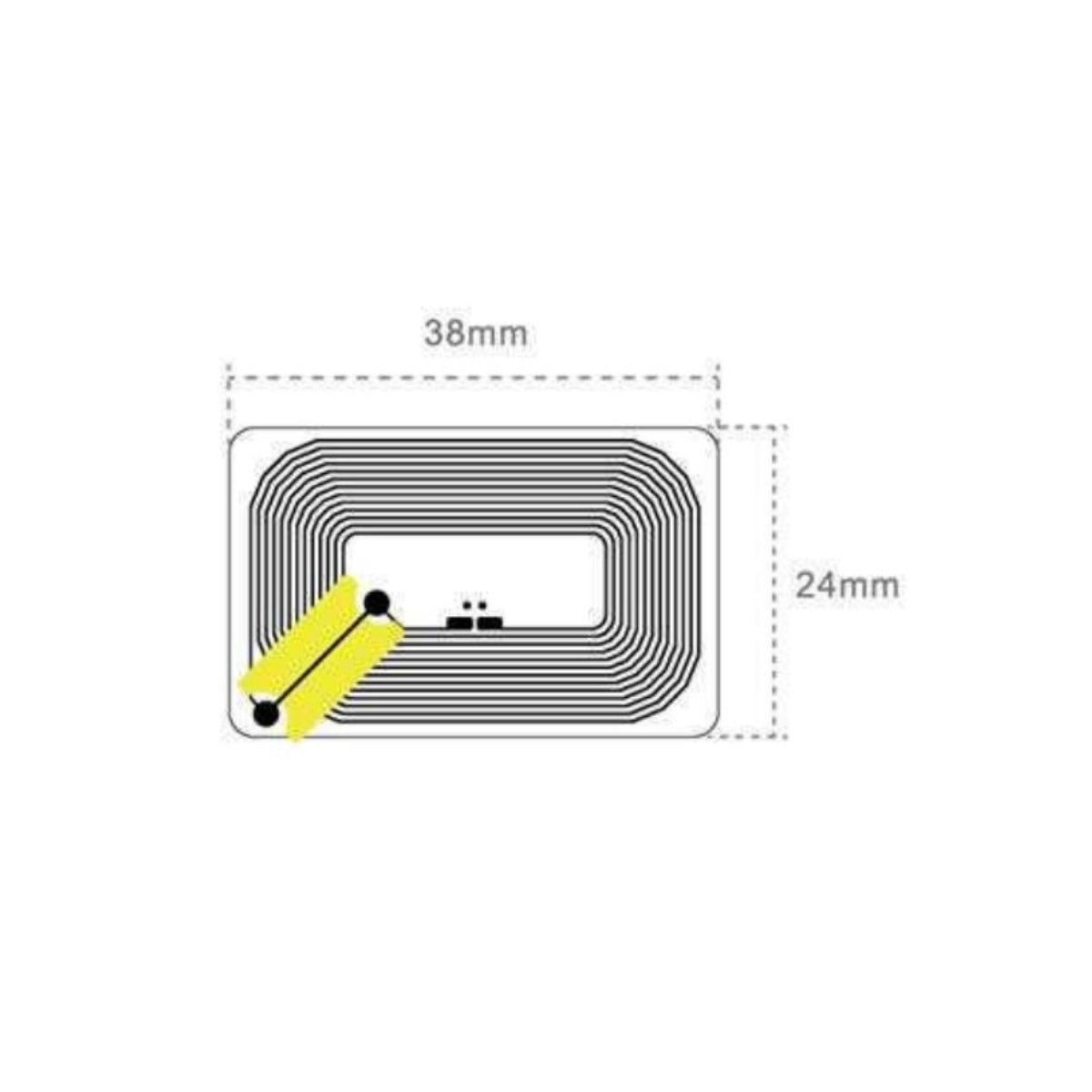
Sustainable Label TRC335 | NFC | 38x24mm
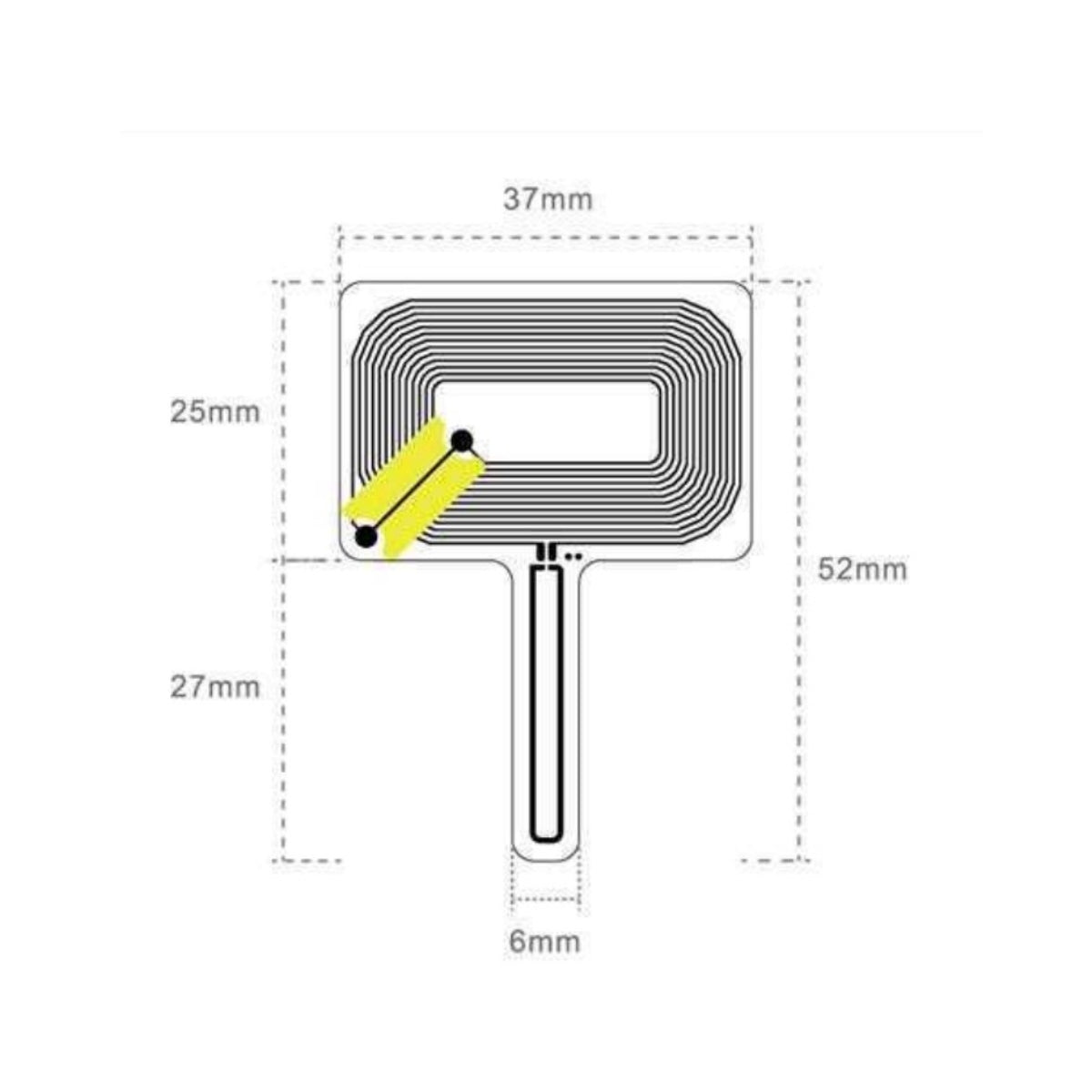
Sustainable Tamper-Proof Label TRC335TT | NFC | 37x52mm
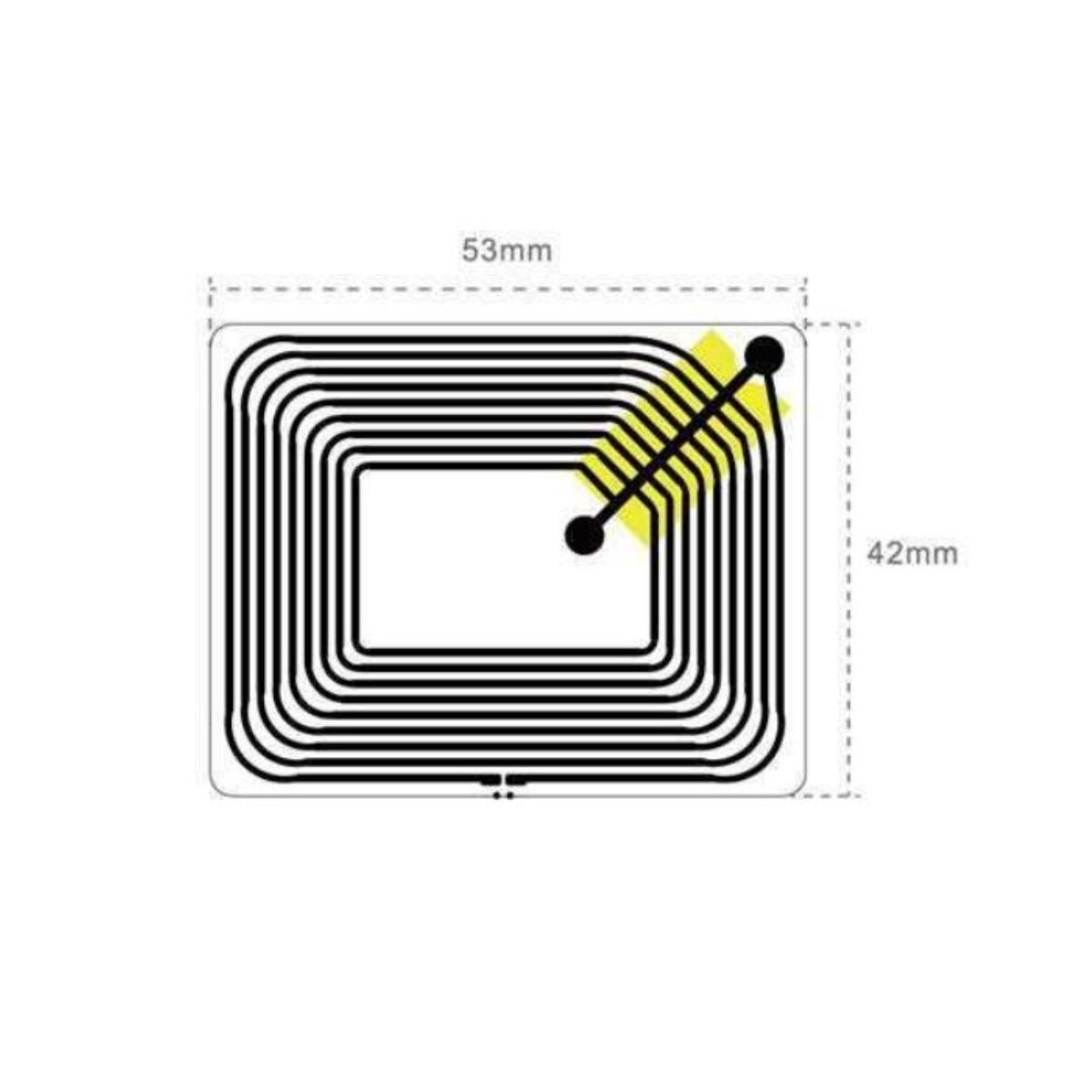
Sustainable Label TRC350 | NFC | 53x42mm
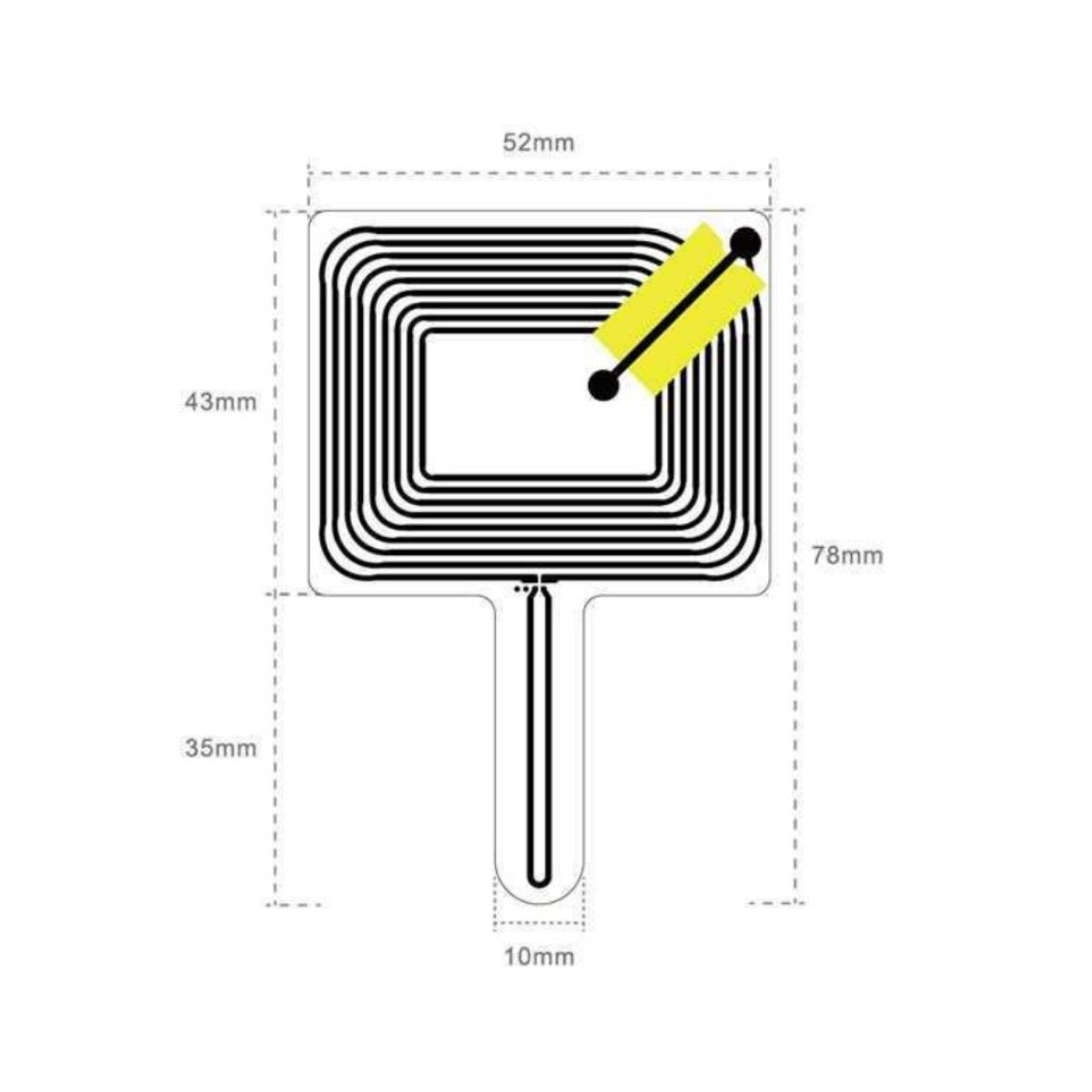
Sustainable Tamper-Proof Label TRC350TT | NFC | 52x78mm
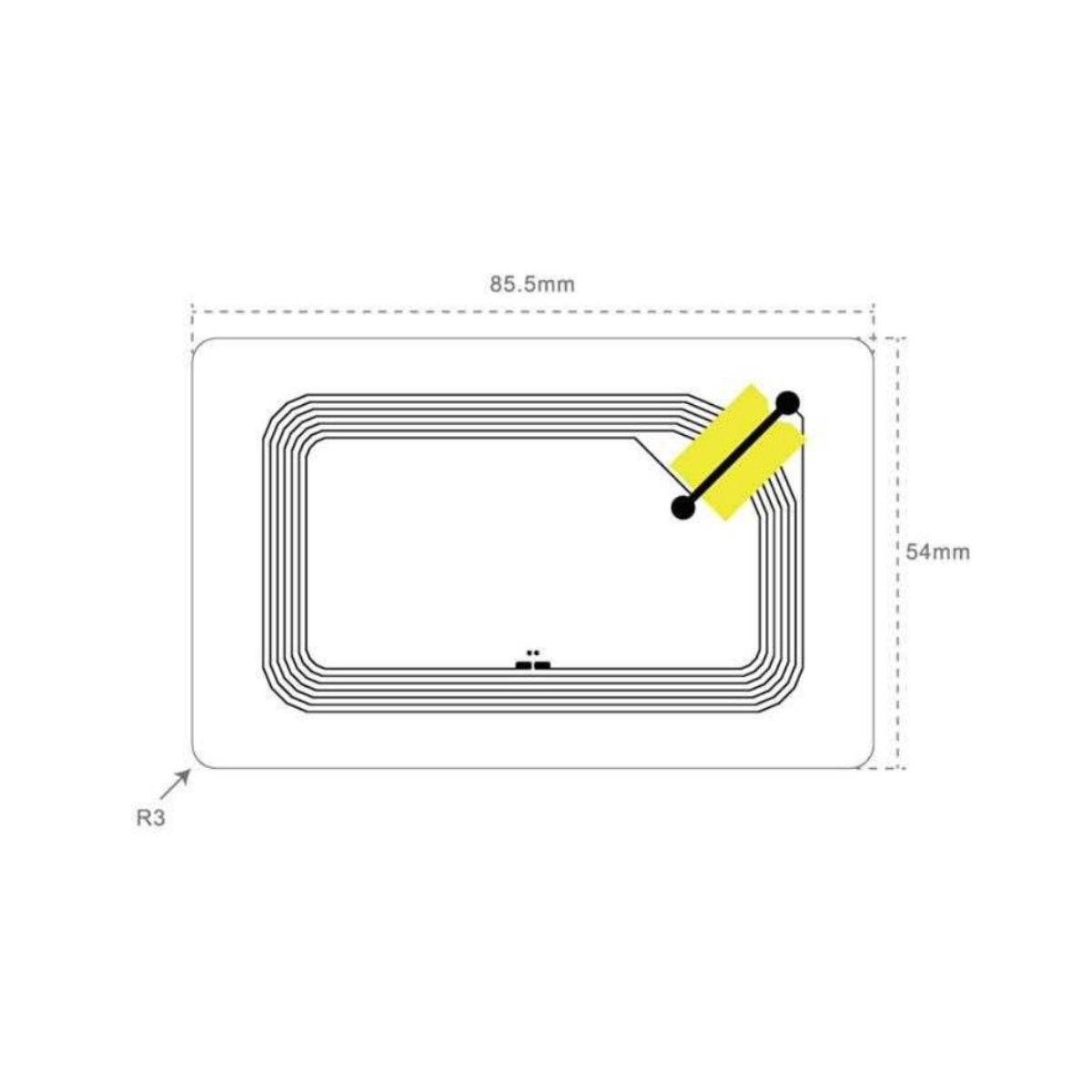
Sustainable Label TRC700 | NFC | 85.5x54mm
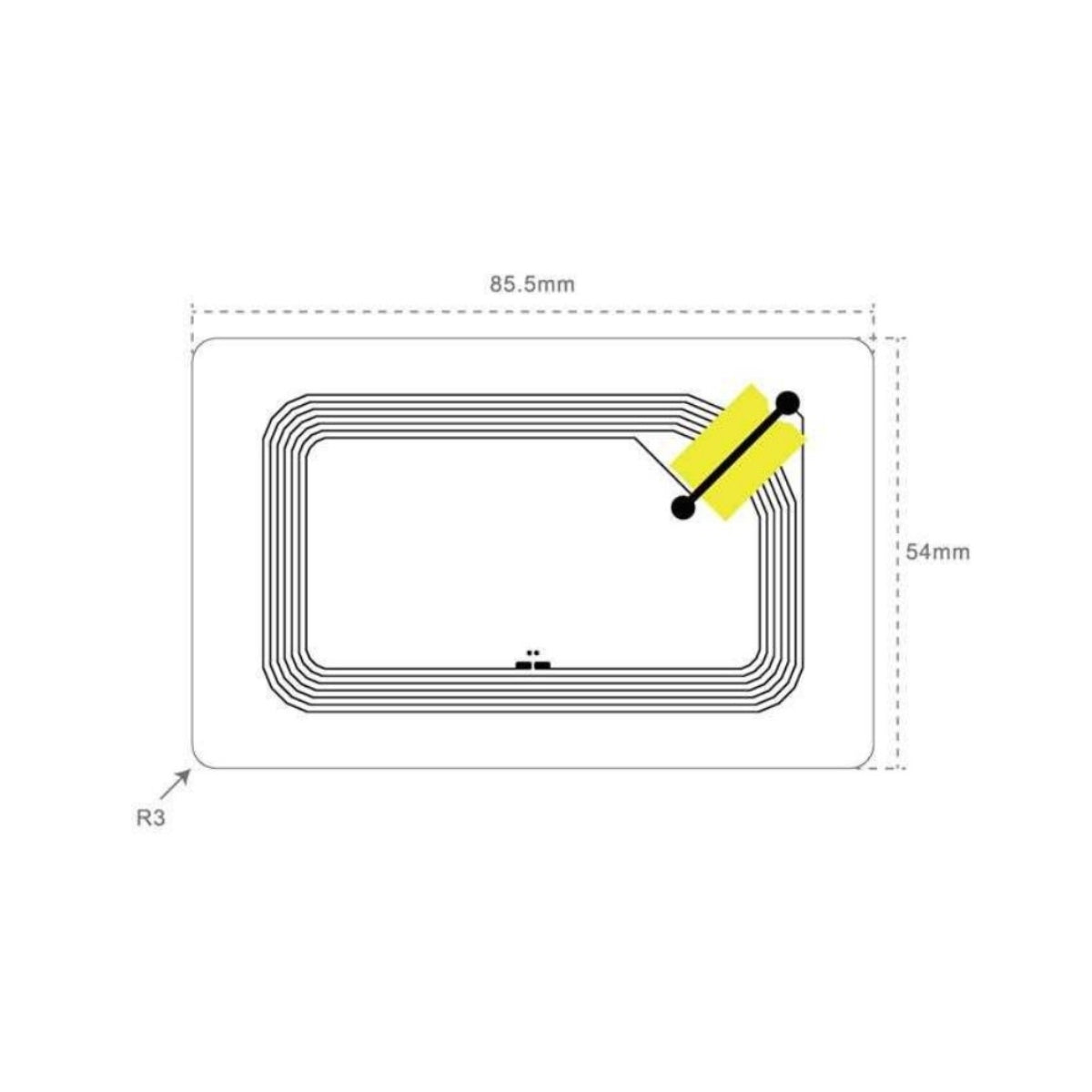
Sustainable Label TRC700C | NFC | 85.5x54mm
How TRC Transforms Manufacturing Operations
What does RFID keep an eye on in a factory?
RFID can keep track of raw materials, work-in-progress (WIP), tools, containers, and finished goods in real time, across zones, stations, and supply lines.
What is RFID different from barcodes in production?
RFID doesn't need to be in line of sight like barcodes do. It can scan multiple items at once, even through metal or packaging. This makes inventory, audits, and quality checks go faster.
What types of tags perform best in factories?
TRC makes UHF, HF, and on-metal RFID tags that endure a long time and can handle heat, dust, and vibrations, which are common on factory floors.
Can RFID help make fewer mistakes in production?
Yes. RFID makes production more accurate by checking that parts are present, in the right order, and in the right place. This means less delays, fewer things that need to be redone, and better tracking of compliance.
Does RFID help with sustainability goals?
Of course. The TRC sustainable RFID line has tag materials that can be recycled and broken down, making it perfect for green manufacturing efforts.