
News
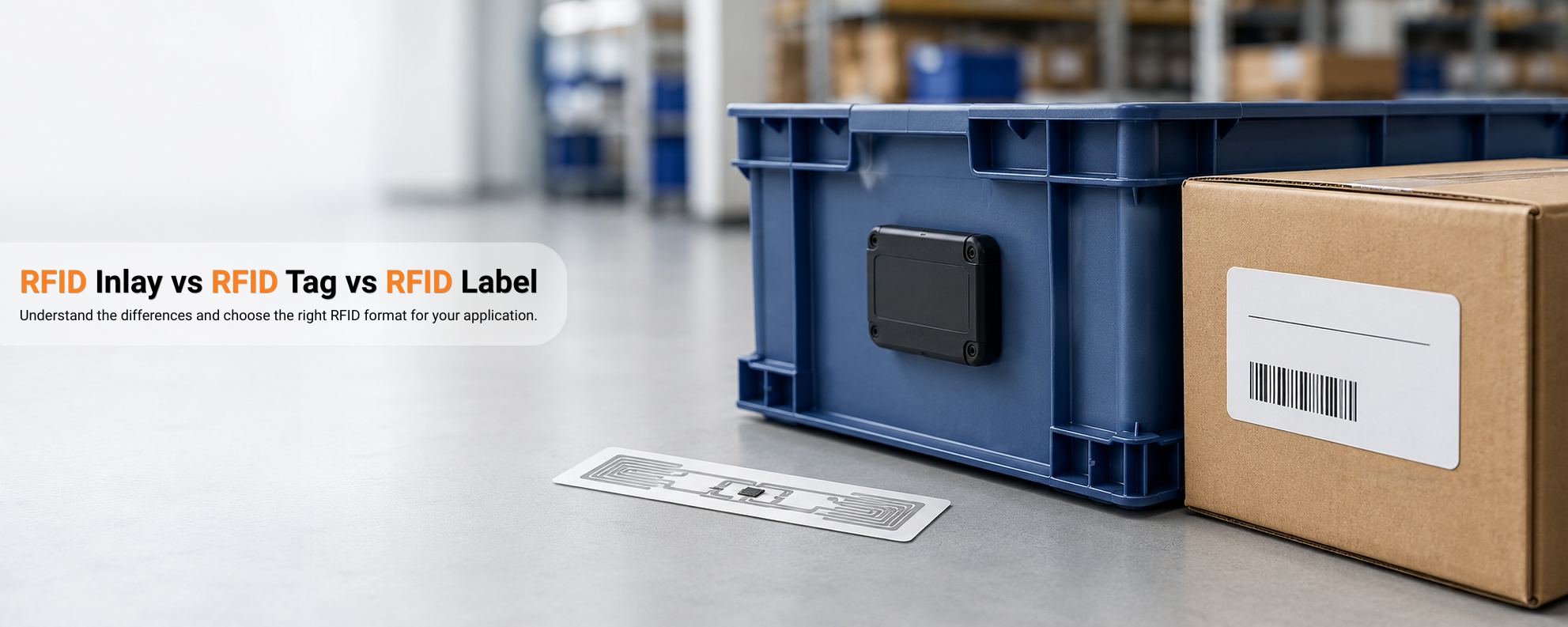
RFID Inlay vs RFID tag vs RFID Label: What European Businesses Need to Know
Confused between RFID inlays, RFID tags and RFID labels? This guide explains the key differences, use cases, durability factors and selection criteria to help European businesses choose the right RFID format for logistics, retail, laundry, RTIs, asset tracking and packaging.

UHF RFID Labels Explained: Applications, Benefits & How to Choose
A practical guide to UHF RFID labels, their applications, benefits, on-metal RFID tag use cases, and how European businesses can choose the right RFID label for asset tracking, warehouse management and supply chain visibility.
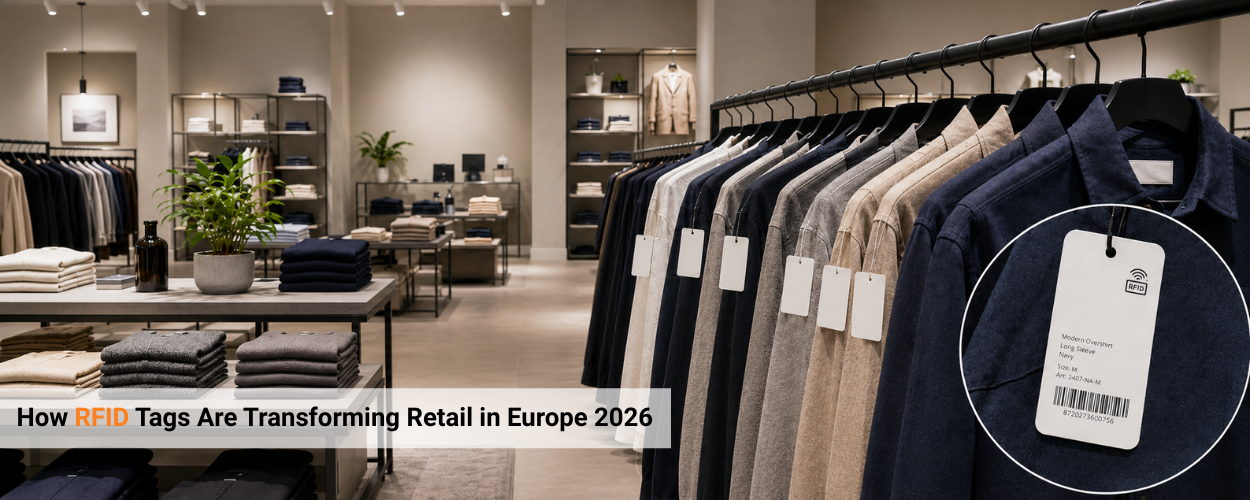
How RFID Tags Are Transforming Retail in Europe (2026 Guide)
RFID tags are changing retail in Europe by improving inventory accuracy, reducing shrinkage, supporting omnichannel sales, and helping retailers create faster, smarter store operations in 2026.

UHF On-Metal RFID Labels: How They Work & How to Choose the Right One
UHF on-metal RFID labels ensure reliable tracking on metal surfaces where standard RFID fails. Learn how they work and how to choose the right EU-compliant label.
Sustainable RFID: Smarter, Greener Supply Chains for Europe
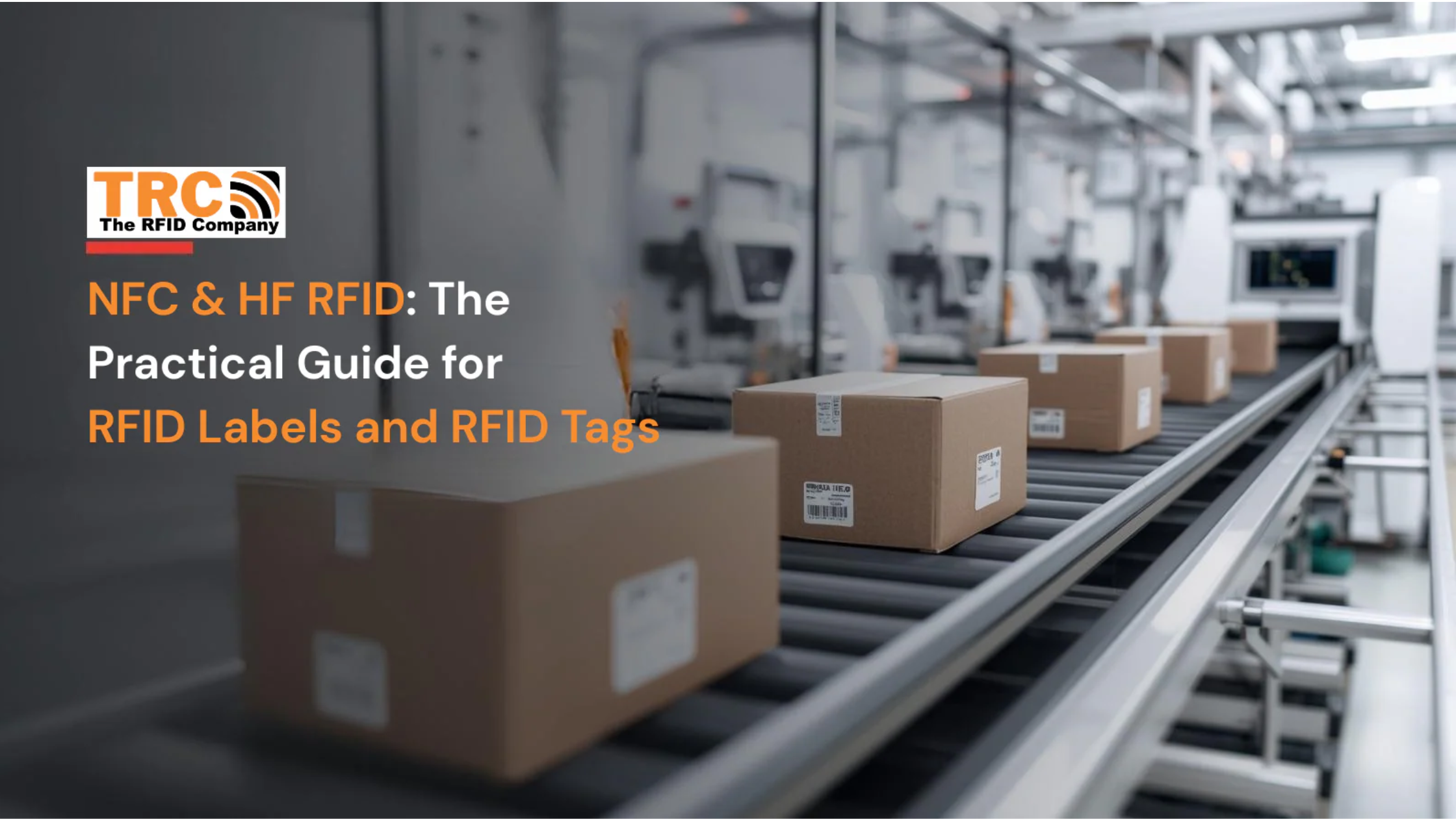
NFC & HF RFID: The Practical Guide for RFID Labels and RFID Tags
NFC and HF RFID both run at 13.56 MHz and excel at short-range, controlled “tap” experiences, from access cards to smart packaging you can read with a phone. They’re globally interoperable and behave more predictably near liquids than UHF, making them a smart fit for many EU projects.
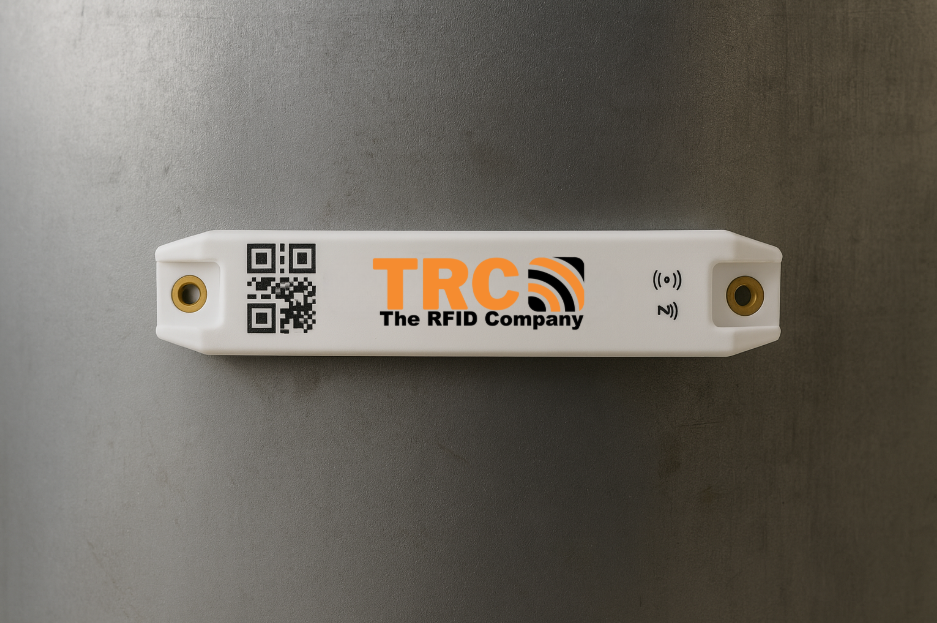
On-metal RFID labels that actually read: foam spacers vs thin ferrite
Standard RFID labels fail on metal because metal detunes the antenna. On-metal labels with foam spacers or ferrite backing isolate the antenna to restore reads. Foam gives stronger distance with extra thickness, while ferrite delivers a low-profile option for tight spaces.
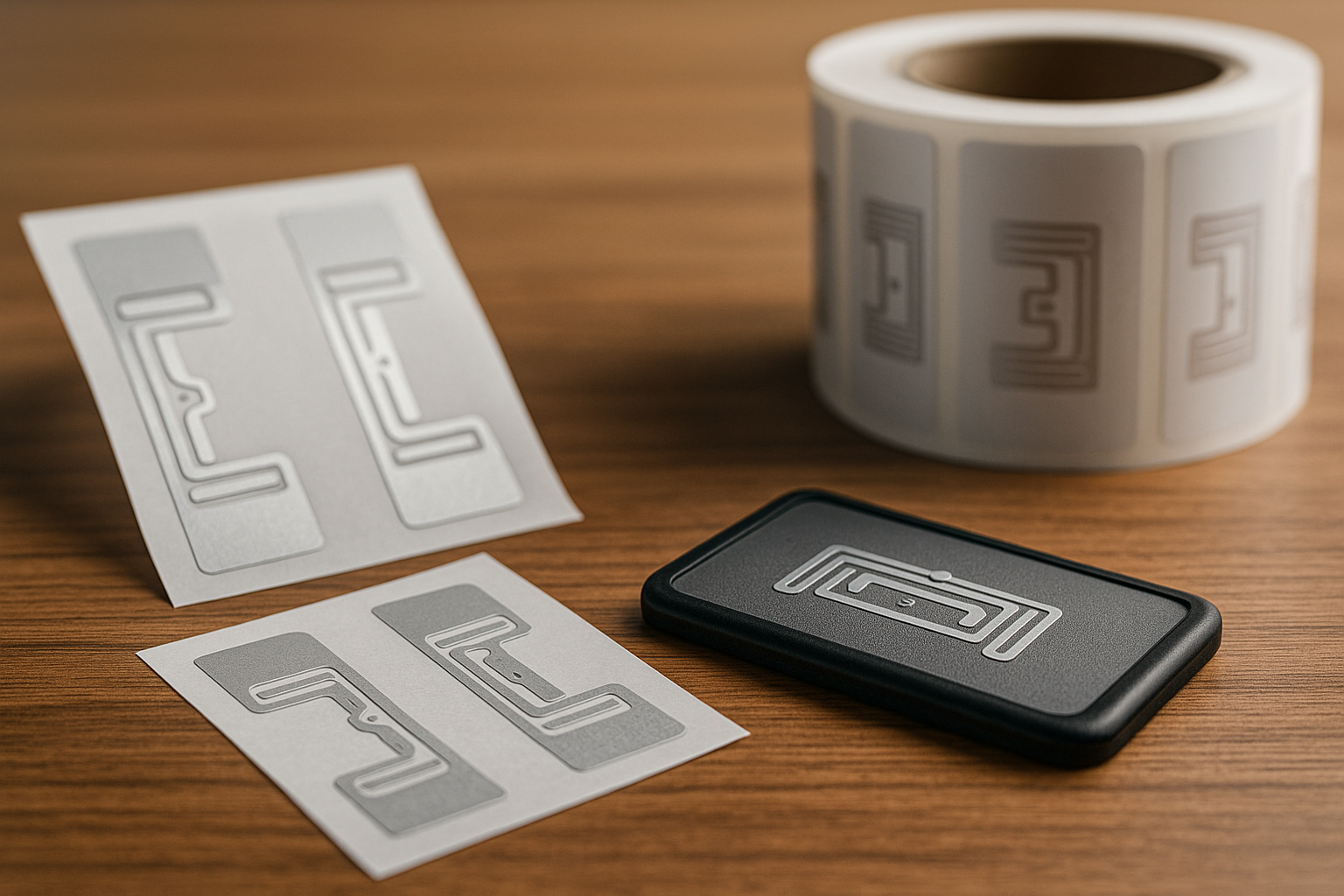
UHF RFID Labels & Tags: Long-Range RFID Solutions
UHF RFID labels and tags deliver long-range, high-speed tracking ideal for warehouses, retail, healthcare, and logistics. With global EPC Gen2 standards and bulk reading capabilities, they outperform traditional systems and enhance automation and inventory accuracy across diverse applications.
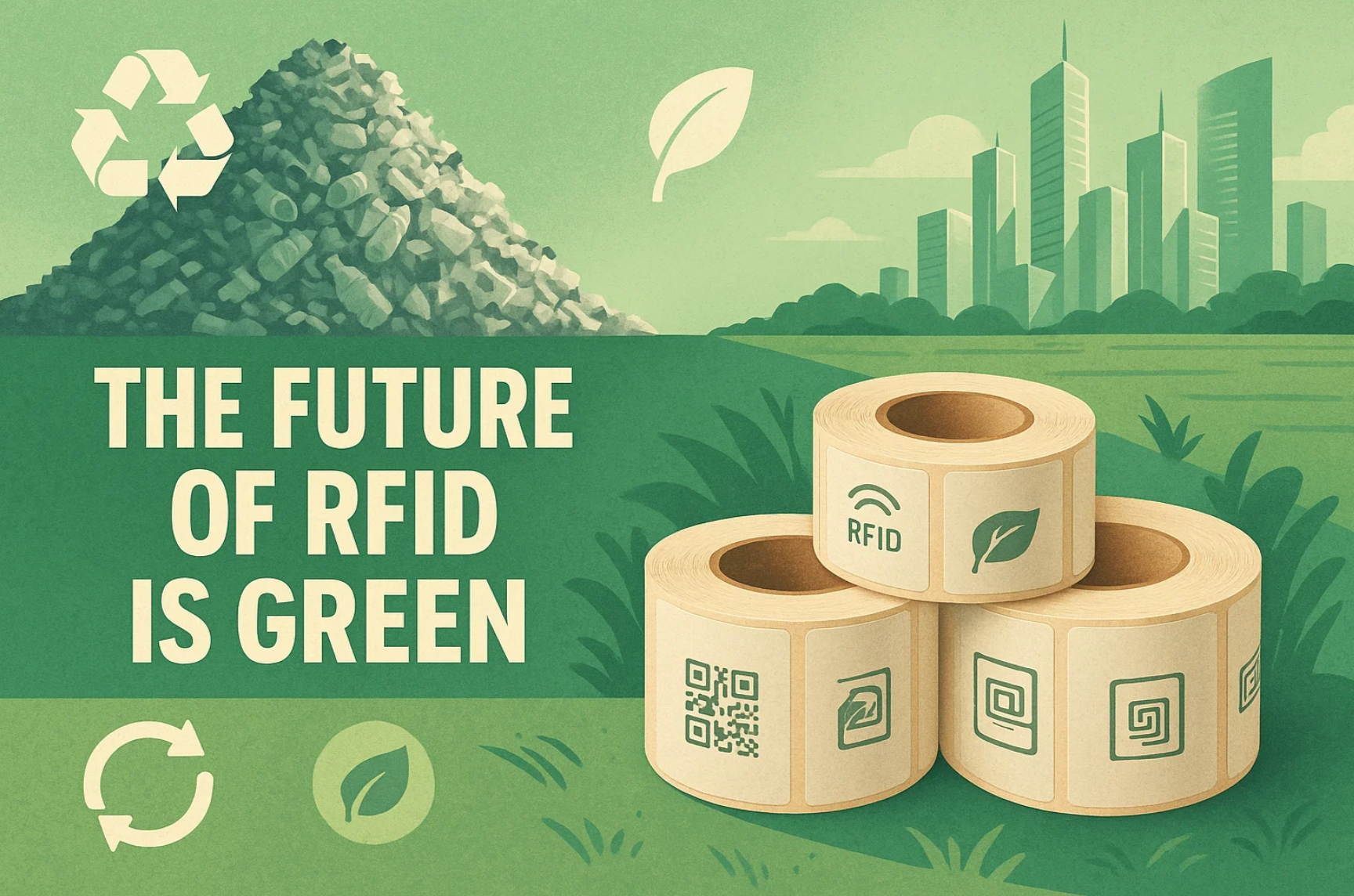
The Future of RFID Is Green: Eliminating Plastic Waste with Biodegradable RFID Labels
Eliminate plastic waste with biodegradable RFID labels. TRC’s sustainable RFID solutions align with circular economy goals without changing your infrastructure.