
News
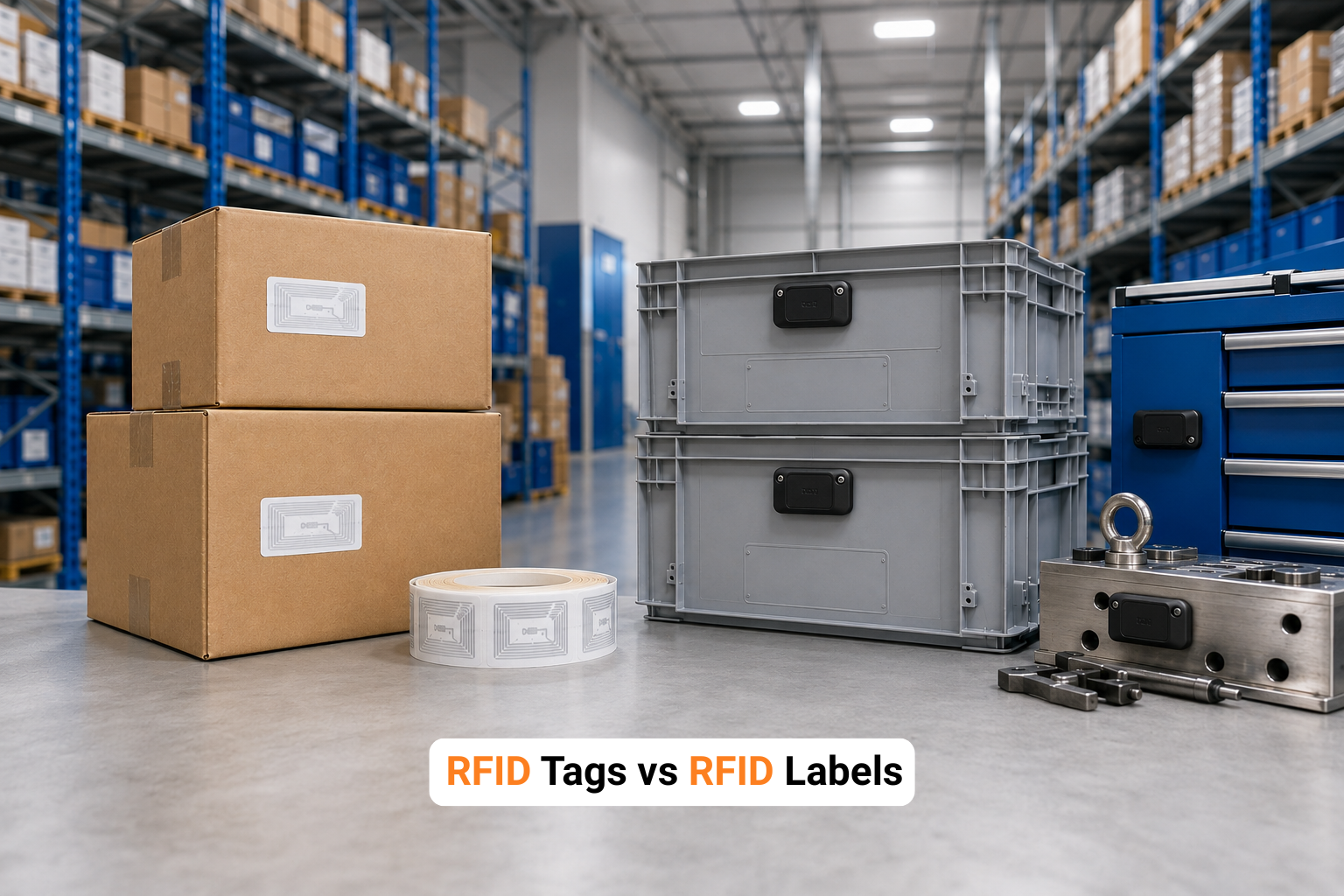
RFID Tags vs RFID Labels: What's the Difference?
RFID tags and RFID labels both support wireless identification, but they differ in design, durability, cost, and application. This guide explains when to use printable RFID labels, when rugged RFID tags are more suitable, and which factors businesses should evaluate before deployment.
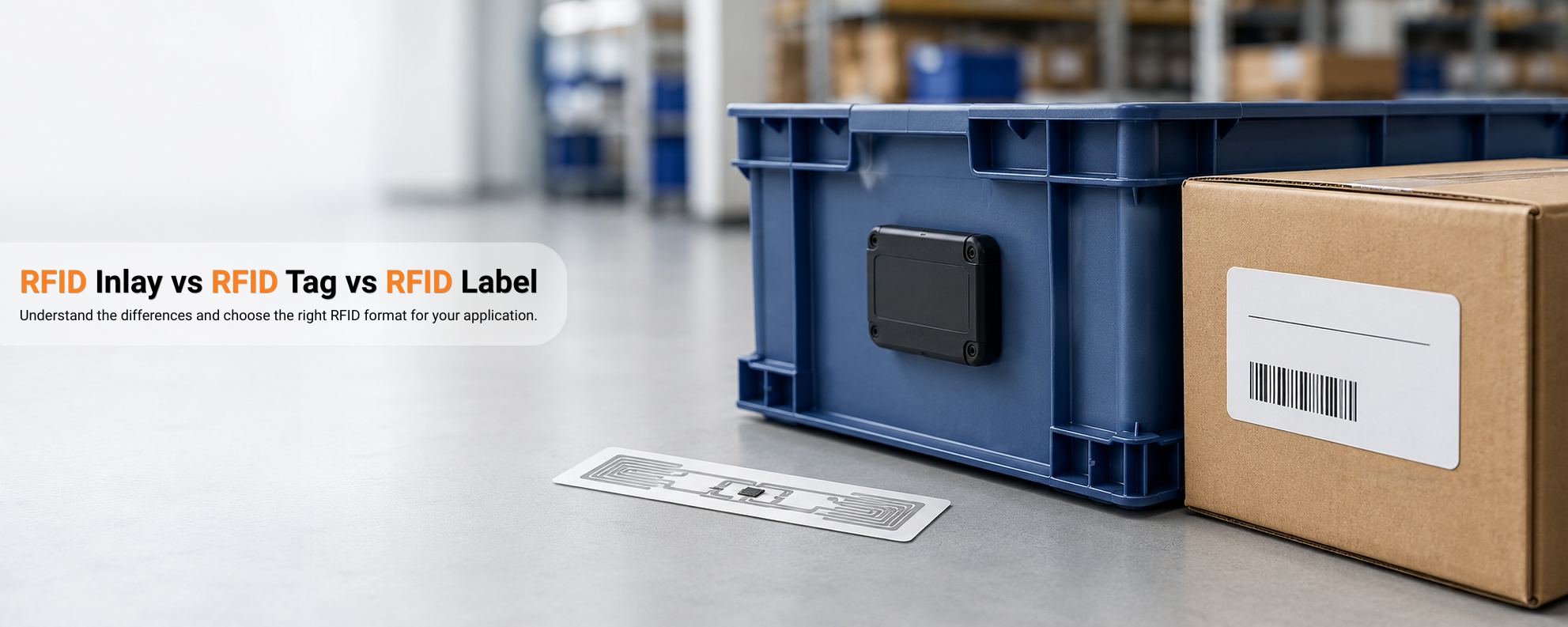
RFID Inlay vs RFID tag vs RFID Label: What European Businesses Need to Know
Confused between RFID inlays, RFID tags and RFID labels? This guide explains the key differences, use cases, durability factors and selection criteria to help European businesses choose the right RFID format for logistics, retail, laundry, RTIs, asset tracking and packaging.

UHF RFID Labels Explained: Applications, Benefits & How to Choose
A practical guide to UHF RFID labels, their applications, benefits, on-metal RFID tag use cases, and how European businesses can choose the right RFID label for asset tracking, warehouse management and supply chain visibility.

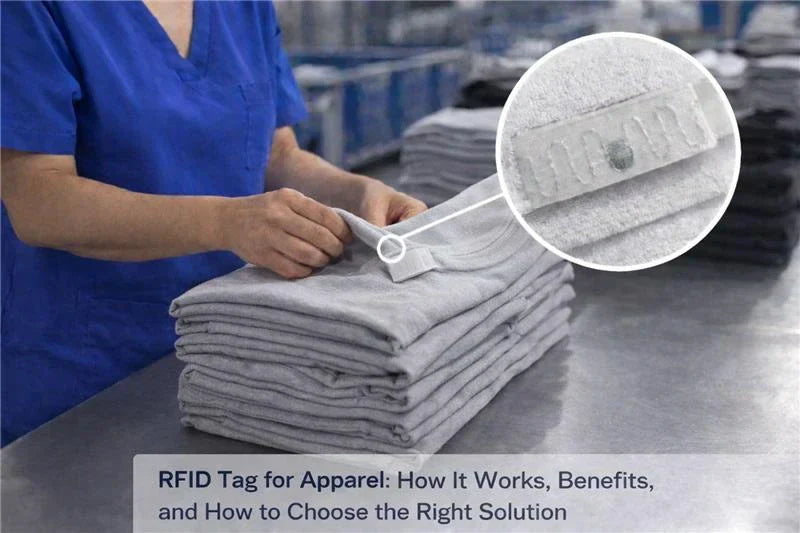
RFID Tag for Apparel: How It Works, Benefits, and How to Choose the Right Solution
RFID tags for apparel help businesses improve garment tracking, inventory accuracy, and operational efficiency. This blog explains how they work, the main benefits, and how to choose the right RFID solution for apparel applications.

What Are RFID Tags? Types, Uses & How to Choose the Right One (EU Guide)
RFID tags are small electronic devices that use radio frequency technology to track and identify objects without line-of-sight. This guide explains how RFID tags work, their types (passive, active, and industrial), key applications across Europe, and how to choose the right RFID solution for your business.

RFID In Laundry Management: Smarter, Affordable Operations
Sustainable RFID: Smarter, Greener Supply Chains for Europe
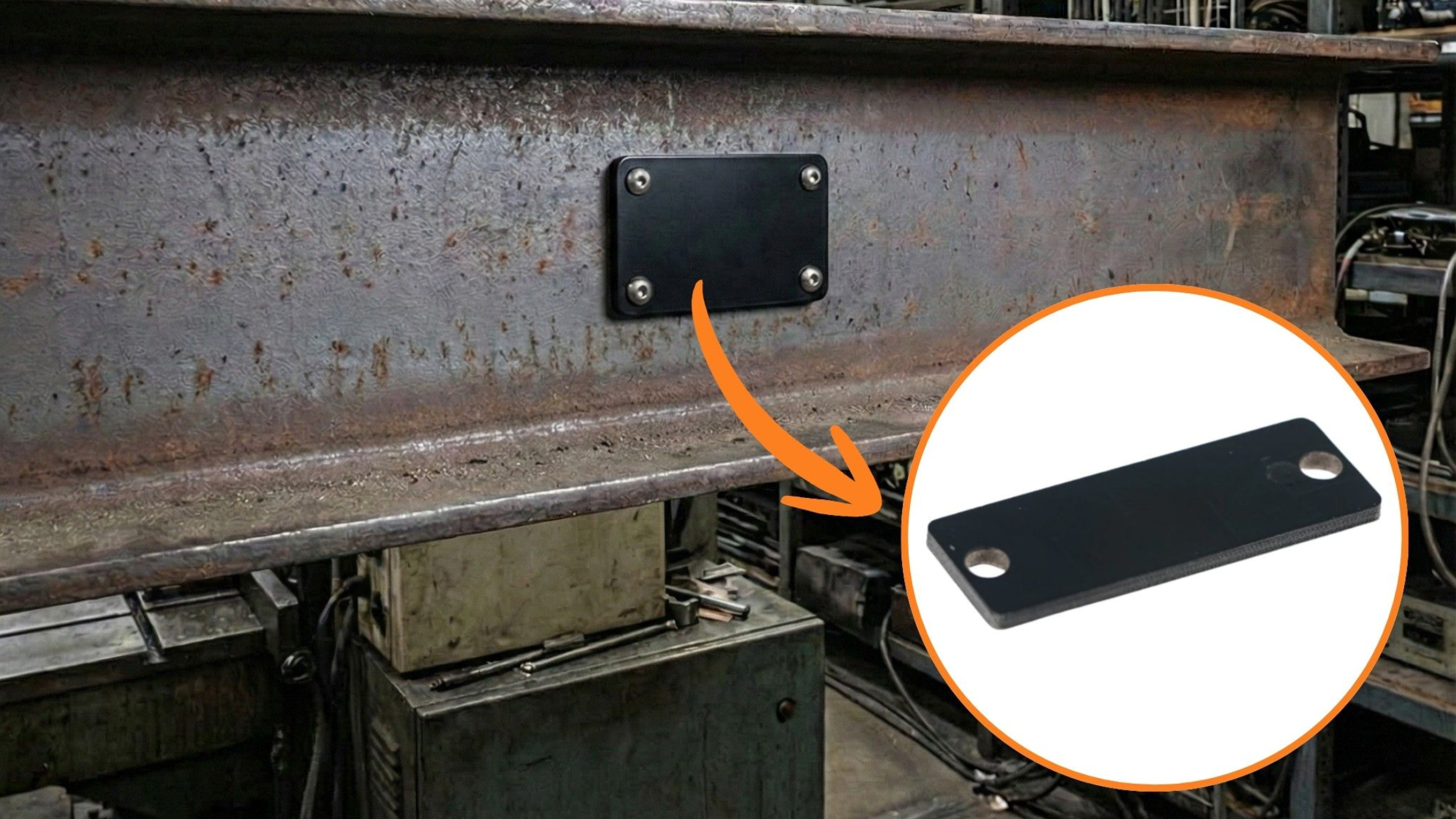
PCB on-Metal Tag: Understanding How They Work and Why They Matter
A PCB on-metal tag is designed to work on metal surfaces where normal RFID tags fail. This guide explains how these tags work, their common uses, benefits, challenges, and tips for choosing and installing them for better asset tracking.